
Sep 7, 2026Resources
Care Label & Wash Test Guide for Apparel Brands: Symbols, Testing & Approval
A B2B guide to care labels: wash and colorfastness testing, shrinkage, pilling, approval, and how care instructions enter the tech pack.
Introduction
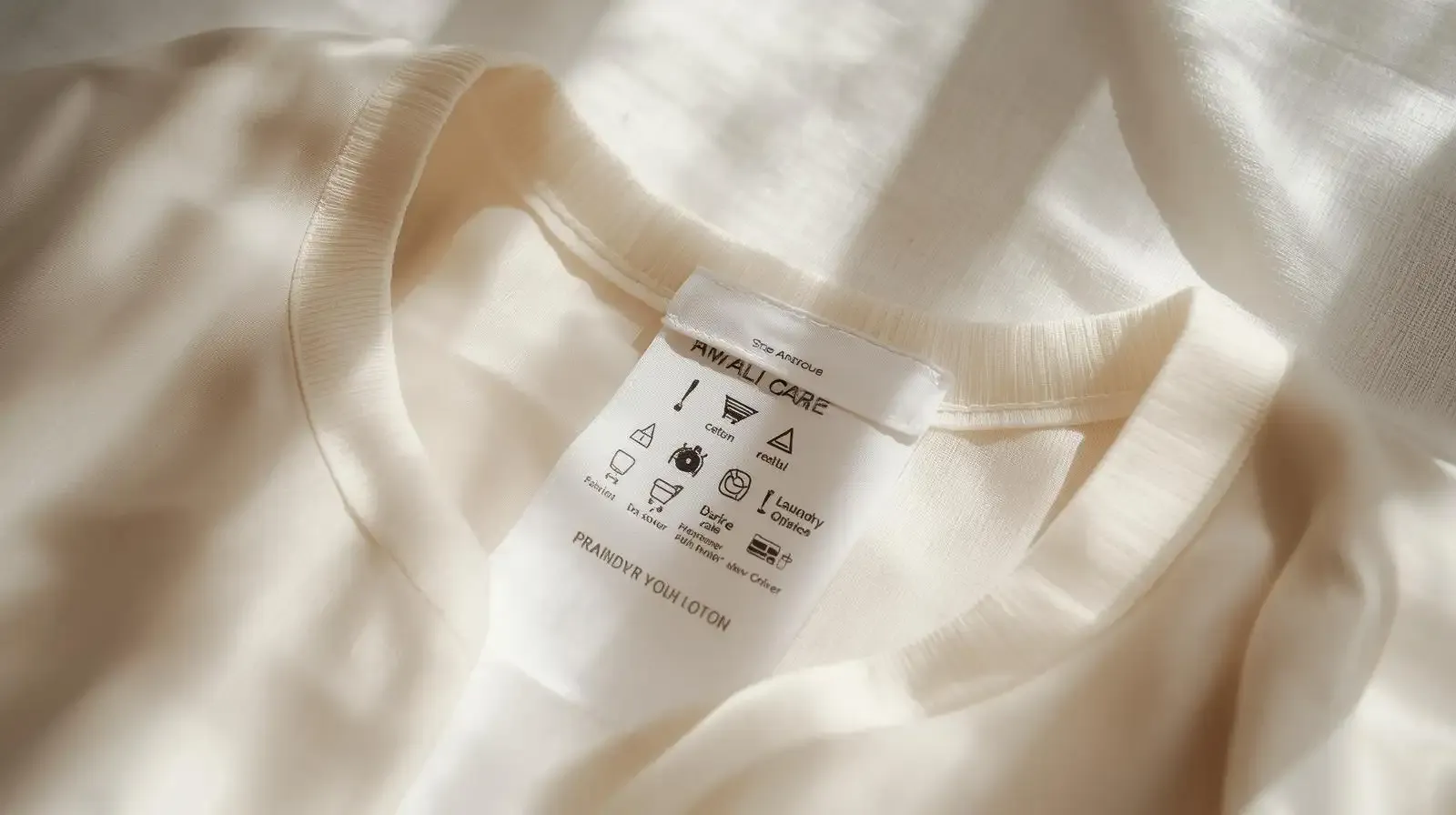
Care labels translate fabric and garment testing into a set of washing, drying, and ironing instructions for the end consumer. For apparel brands, the care label is a specification output — it should reflect how the garment was actually tested, not a generic set of symbols.
The Brand Determines the Care Instruction
The brand owns the care instruction, because the brand owns the product specification. Work with your supplier to determine the correct instruction from the fabric composition, construction, and the results of washing and colorfastness testing.
Fabric and Garment Testing
Before a care instruction is finalized, test the fabric and garment for the properties that care labels describe. The key tests cover shrinkage, colorfastness, and pilling, each under defined wash or rub conditions.
Shrinkage
Shrinkage testing measures dimensional change after washing and drying. The result determines whether the care label can allow machine washing, and at what temperature and drying method.
Colorfastness
Colorfastness testing checks whether color bleeds or fades in washing and rubbing. The result affects whether the label advises washing separately or with like colors.
Pilling
Pilling testing grades surface fuzzing after simulated abrasion. It informs the care instruction for agitation and drying, especially for brushed or knit surfaces.
Ironing and Drying Restrictions
Ironing and drying restrictions come from the fabric's heat tolerance. A fabric that cannot tolerate high heat needs a lower iron setting or a no-tumble-dry instruction, recorded consistently on the label.
Who Approves Care Labels
Care labels should be approved by the same person or team that approves the product specification, typically the brand's product or quality lead, using the test report as the source of truth. The supplier proposes based on the fabric; the brand approves.
How Care Instructions Enter the Tech Pack
Record the care instruction in the tech pack as a finished line item, alongside the test method and result that support it. This keeps the label, the approved sample, and the bulk specification aligned.
Sample and PP Approval
Confirm the care label on the sample and again at pre-production (PP) approval. Any change to fabric, finish, or construction after sampling should trigger a review of whether the care instruction still applies.
When Labels Must Be Finalized
Finalize care labels before bulk label production begins, because changing the instruction later means reprinting labels and reworking packaging. This usually means the instruction is locked at PP approval.
Legal Requirements Vary by Market
Care labeling requirements differ by destination market. This guide does not provide legal advice or a guarantee of compliance — confirm the specific labeling requirements for each market you ship to before production.
Work with SML INTIMATE: we support apparel brands with fabric development, sampling, and bulk knitwear production, including care label guidance. Contact us to start your inquiry.