Sep 21, 2026Manufacturing & Quality
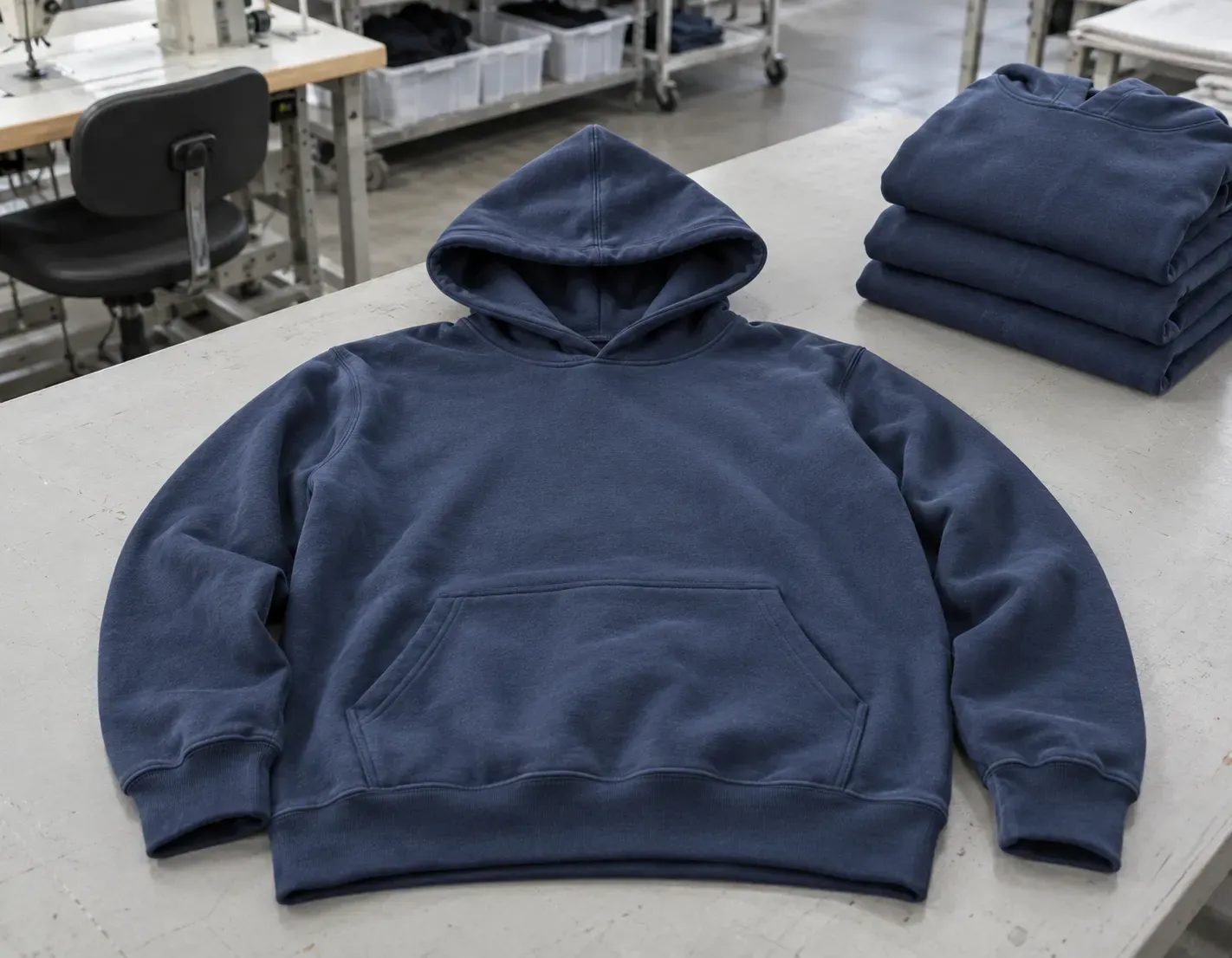
Cost Breakdown of Manufacturing Heavyweight T-Shirts
Explore the cost breakdown of manufacturing heavyweight T-shirts, including fabric, labor, materials, overhead, and tips for cost-effective private label production.
Introduction
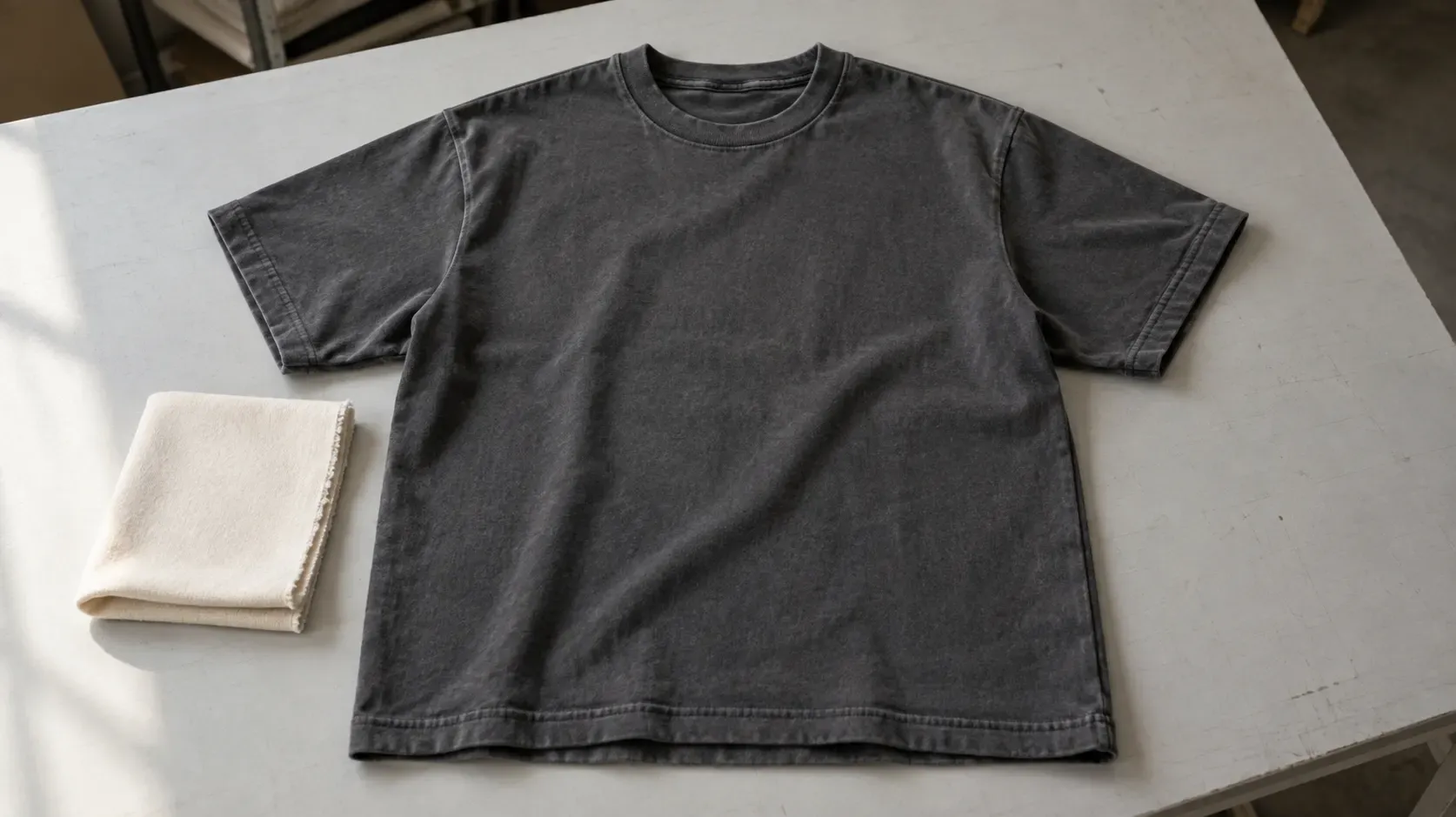
Understanding the cost structure of manufacturing heavyweight T-shirts is crucial for brands planning private label collections. Costs influence pricing, profit margins, and sourcing decisions. This guide breaks down the key components involved in producing high-quality heavyweight T-shirts.
What Actually Moves Your Quote
Five factors decide where your price lands: fabric weight and composition (240gsm combed cotton prices differently from 300gsm premium blend), order quantity, customization level — stock fabrics start at 50 pieces per style while developed fabrics run around 300 — finishing choices like garment dye or brushing, and shipping terms (EXW vs DDP).
Two fixed numbers to plan around: sampling is US$200 for cut & sew garments, refunded on your formal order; payment is T/T with 30% deposit and 70% balance before shipment. Courier shipping for a first order typically runs US$40–100 depending on country — quoted upfront, never after.
1. Fabric Costs
- Heavier fabrics (e.g., 250–300gsm) increase material cost
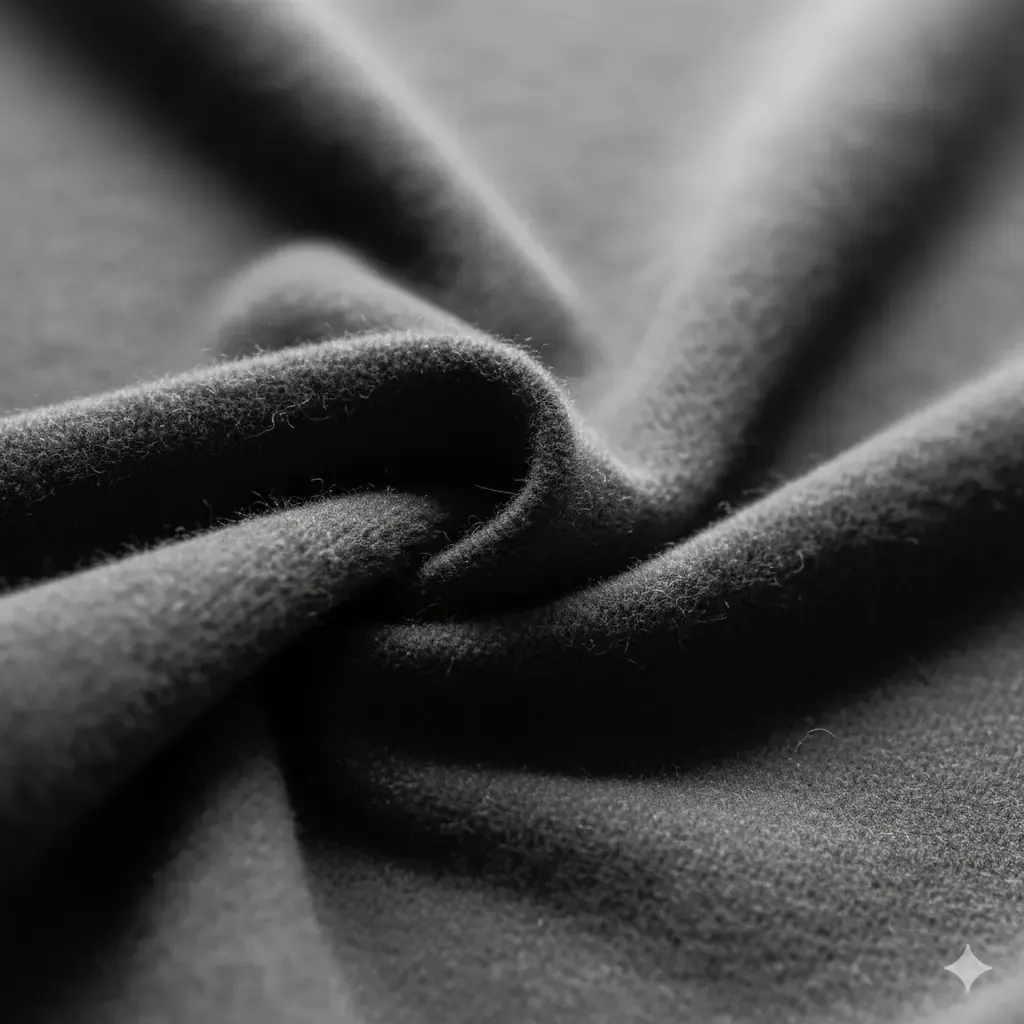
- Premium cotton or blends may cost more per meter
- Fabric quality directly affects garment feel, durability, and brand perception
2. Labor Costs
- Cutting, sewing, and finishing require skilled labor
- Costs vary based on region, factory scale, and production volume
- Complex details like ribbing, reinforced seams, or embroidery add to labor time
3. Accessories & Materials
- Threads, labels, buttons, and packaging materials
- Specialty finishes like garment dyeing or soft brushing
- Add-ons like hangtags or custom packaging increase overall cost
4. Overhead & Miscellaneous
- Factory overhead: electricity, machine maintenance, admin
- Quality control checks and sample revisions
- Shipping and logistics for delivery
5. Cost Optimization Tips
- Order larger volumes for economies of scale
- Optimize design for simpler cutting and sewing
- Collaborate with manufacturers to select cost-effective fabrics without compromising quality
Conclusion
The cost of manufacturing heavyweight T-shirts includes fabric, labor, materials, overhead, and logistics. Understanding each component helps brands plan pricing, improve margins, and ensure high-quality production for private label collections.
Get Your Exact Cost Breakdown
Generic ranges will not price your product. Send your tech pack or a reference photo, your target quantity and destination country, and we reply within 24 hours with an itemized quote — goods and freight together, no hidden fees.
Browse our T-shirts for reference, read why factories have MOQs, or request your itemized quote now.