Footer Logo
BlogSustainable Fabric Trends in European Fashion: A Practical Guide for B2B Brands
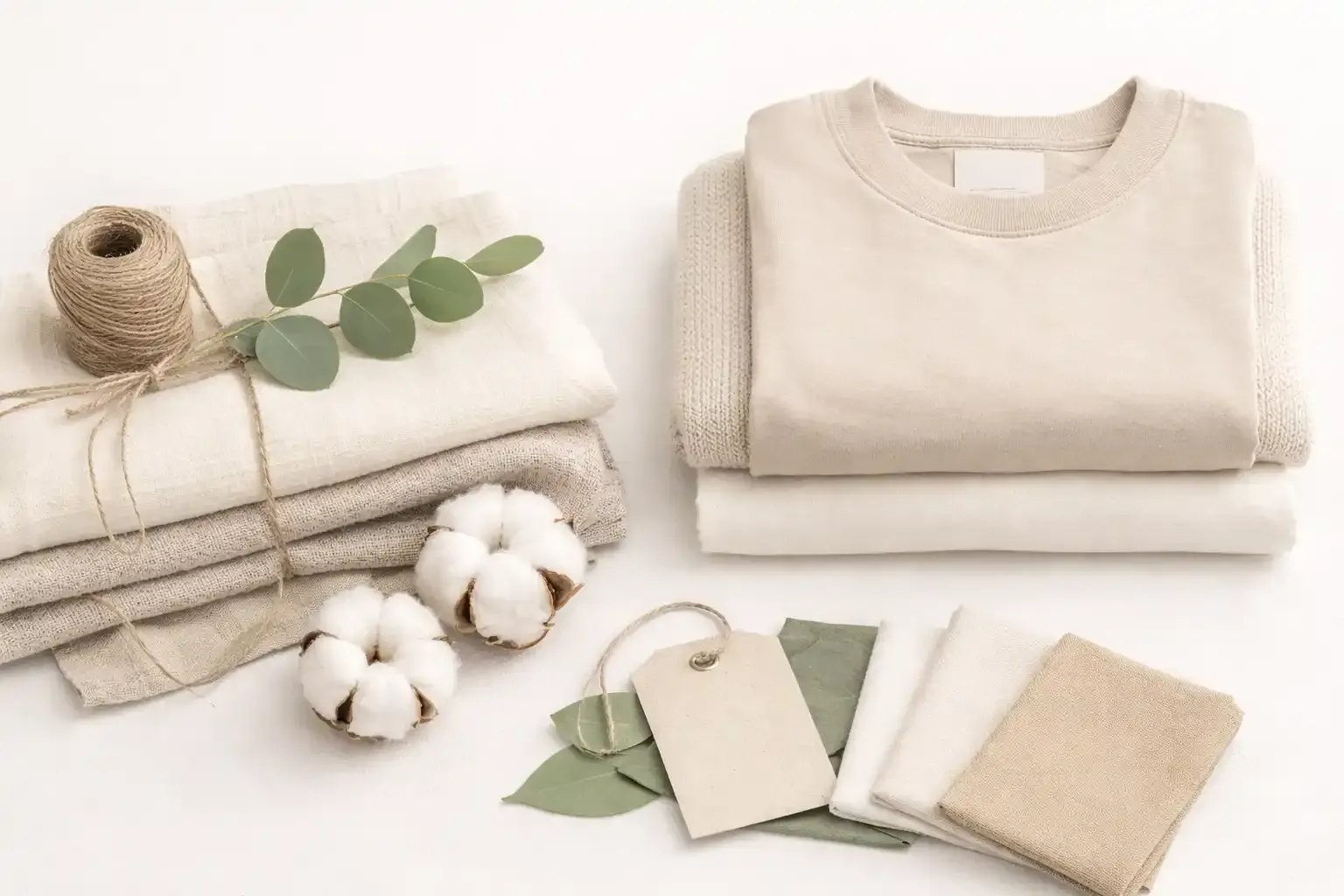
Eco-friendly fabrics including organic cotton, linen, and knitwear displayed in a minimalist light-toned layout representing sustainable fashion materials in Europe
Case Studies
2026年3月17日

Sustainable Fabric Trends in European Fashion: A Practical Guide for B2B Brands

Explore sustainable fabric trends in European fashion, including organic, recycled, and innovative textiles, and learn how brands can adopt eco-friendly materials.

Author: Connor Ma, International Trade Analyst with 10 years of experience in global apparel exports and supply chain strategy.
Published by: SML Intimate Research Department


Introduction: Why B2B Brands Are Searching for This Topic

European fashion is rapidly shifting toward sustainability, driven by environmentally conscious consumers, strict EU regulations, and growing demand for transparency. B2B brands, sourcing managers, and fashion manufacturers are asking:
  • Which sustainable fabrics are most popular in Europe today?
  • How can I source materials that meet EU standards and appeal to consumers?
  • What innovative fabric blends provide both eco-friendliness and performance?
  • How can my brand leverage sustainability to gain a competitive edge in Europe?
This guide provides data-driven insights and actionable strategies to help B2B brands align with European sustainability trends and optimize sourcing decisions.


1. Organic Cotton and Certified Fabrics

Consumer Search Intent: “Which organic fabrics are preferred in European fashion?”
Insights for B2B Brands:
  • GOTS-Certified Organic Cotton: Ensures organic farming practices and ethical production. Widely recognized by European consumers.
  • OEKO-TEX Standard: Guarantees non-toxic production, reassuring buyers and end consumers.
  • Traceability: Consumers increasingly value transparency in sourcing and production.
Actionable Takeaway: Partner with suppliers offering verified certifications. Highlight certifications in product descriptions and marketing materials.
Customer Benefit: Using certified fabrics reduces environmental footprint, complies with EU regulations, and enhances brand credibility.
Reference: Global Organic Textile Standard (GOTS), 2025 Annual Report.


2. Recycled and Regenerated Materials

Consumer Search Intent: “What recycled or circular materials should I consider?”
Insights for B2B Brands:
  • Popular Materials: Recycled polyester, Tencel, and Econyl are increasingly adopted in European premium apparel.
  • Upcycled Fabrics: Pre-consumer waste can be converted into high-performance textiles, supporting circular fashion initiatives.
  • Performance + Sustainability: These fabrics maintain quality, durability, and style while meeting environmental standards.
Actionable Takeaway: Source fabrics with clear recycled content certifications and communicate their eco-value to buyers.
Customer Benefit: Incorporating recycled or regenerated textiles allows brands to align with European circular fashion policies and appeal to environmentally conscious retailers.
Reference: European Apparel and Textile Confederation (EURATEX), 2025 Sustainability Report.


3. Innovative Sustainable Blends

Consumer Search Intent: “Are there new fabric blends that combine performance and sustainability?”
Insights for B2B Brands:
  • Cotton-Linen Blends: Enhance breathability and reduce water usage.
  • Hemp and Bamboo Fibers: Durable and low-impact cultivation supports eco-friendly practices.
  • Natural Dyes & Low-Impact Washing: Improves environmental footprint and aligns with EU chemical regulations.
Actionable Takeaway: Experiment with innovative blends that balance sustainability, comfort, and fashion aesthetics. Communicate the environmental benefits in marketing.
Customer Benefit: Innovative blends help brands differentiate in the market, attract premium buyers, and maintain compliance with EU environmental standards.
Reference: Textile Exchange, Preferred Fiber Market Report 2025.


4. Market Adoption Strategies for B2B Brands

Consumer Search Intent: “How can my brand effectively integrate sustainable fabrics?”
Actionable Strategies:
  1. Supplier Partnerships: Collaborate with suppliers who provide verified sustainability certifications and traceability reports.
  1. Branding & Marketing: Highlight eco-friendly fabrics and circular practices in campaigns and product catalogs.
  1. Lifecycle Transparency: Provide information about production, materials, and recycling to build consumer trust.
  1. Early Adoption Advantage: Brands that integrate sustainability early gain competitive positioning in the European market.
Customer Benefit: Following these strategies enhances brand reputation, meets consumer demand, and ensures regulatory compliance.


5. Conclusion: Actionable Takeaways

Sustainable fabrics are transforming European fashion, offering opportunities for B2B brands to innovate, comply with regulations, and capture premium markets. To succeed:
  1. Focus on Certified Organic Fabrics: Ensure GOTS, OEKO-TEX, or equivalent certifications.
  1. Integrate Recycled & Regenerated Materials: Use Tencel, Econyl, and recycled polyester for circular fashion alignment.
  1. Adopt Innovative Blends: Cotton-linen, hemp, and bamboo blends provide sustainability and performance.
  1. Implement Market Adoption Strategies: Build supplier partnerships, highlight sustainability in branding, and provide lifecycle transparency.
By acting proactively, B2B brands can meet consumer expectations, strengthen market position, and future-proof their sourcing practices in Europe.


References:
  1. Global Organic Textile Standard (GOTS), Annual Report 2025.
  1. European Apparel and Textile Confederation (EURATEX), Sustainability Trends in European Fashion, 2025.
  1. Textile Exchange, Preferred Fiber Market Report 2025.
  1. Statista, European Sustainable Fashion Market Growth, 2025.

Interested in Our Services?

Contact us now for professional consulting services

Contact Us