Sep 6, 2026Sourcing Guide
How to Start a Private Label Loungewear Line: 2026 Sourcing Guide
Launching a loungewear brand? Follow our step-by-step guide on sourcing knitwear, avoiding common China manufacturing pitfalls, and scaling your production.
Introduction
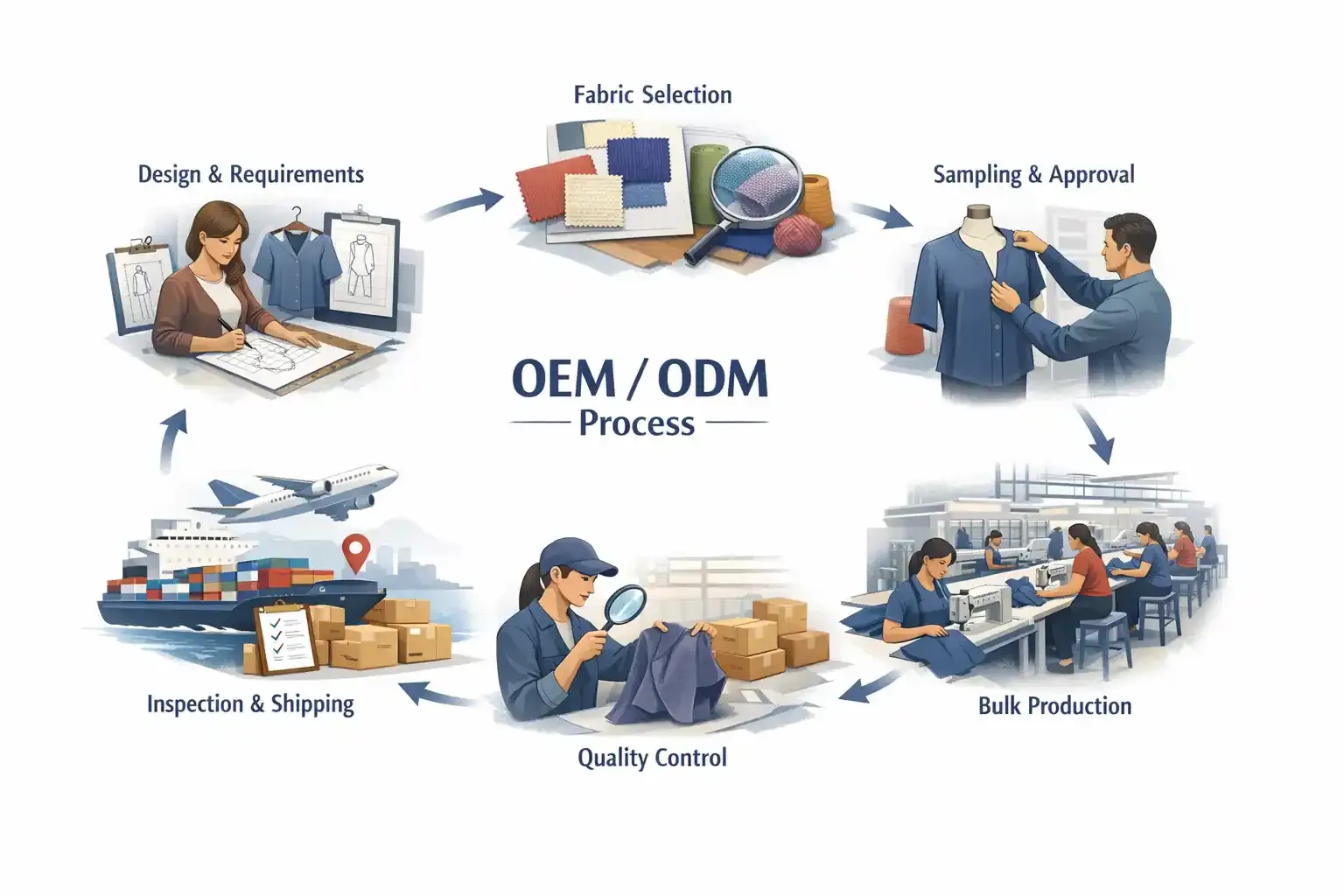
Launching a private label loungewear line moves through the same stages regardless of your brand size: define the product, prepare a clear brief, select a supplier, develop and approve samples, then manage bulk production and quality. This guide walks through those stages from a buyer's perspective.
The 2026 private label market rewards brands that brief suppliers precisely. A complete brief shortens sampling and reduces the chance of a production error reaching bulk.
What to Prepare Before You Contact a Manufacturer
The more you prepare before outreach, the faster a supplier can quote and sample accurately. Aim to have the following ready:
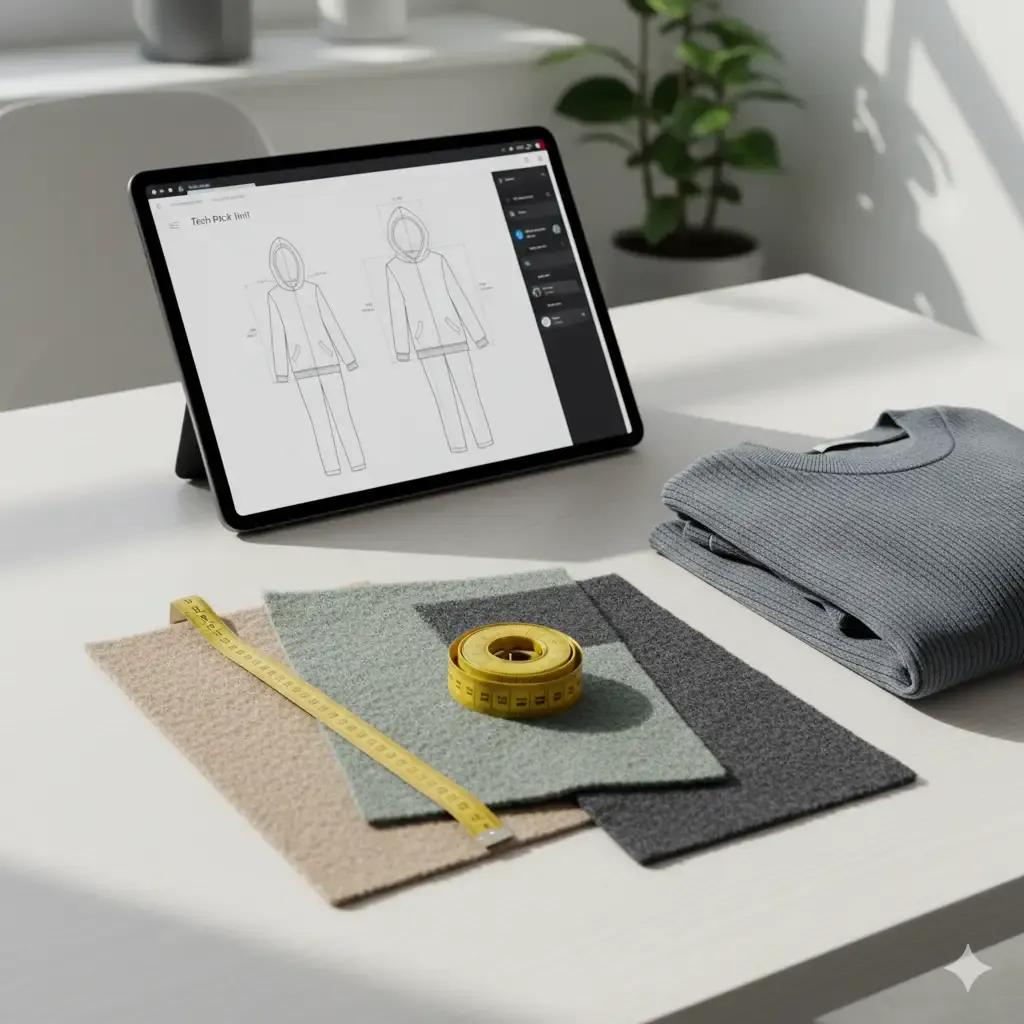
Reference image or tech pack — a sketch, competitor reference, or full tech pack with front, back, and detail views.
Size chart — the measurement table and size range you intend to offer.
Fabric composition and GSM — target fiber blend, weight, and hand feel.
Colors — the number of colors and the color standard you will approve against.
Trims — drawstrings, elastic, zippers, or other components.
Logo and labels — main label, size label, and care label artwork.
Packaging — hangtag, polybag, or gift-box requirements.
Target quantity — per style and per color, even if approximate.
Target launch date — the date bulk goods need to arrive.
If you do not yet have a tech pack, many manufacturers can develop one from a reference sample or clear concept. This usually adds a development step before sampling.
Supplier Selection Checklist
Before committing to a supplier, confirm the points that matter for loungewear:
Product range — does the supplier regularly produce knitwear or loungewear in your target category?
Fabric access — can they source or develop the composition and GSM you need?
Sampling capability — can they produce and revise samples on a realistic timeline?
Quality control — do they describe a clear inspection and approval process rather than only promising results?
Communication — who is your contact, and how do they handle specifications and approvals?
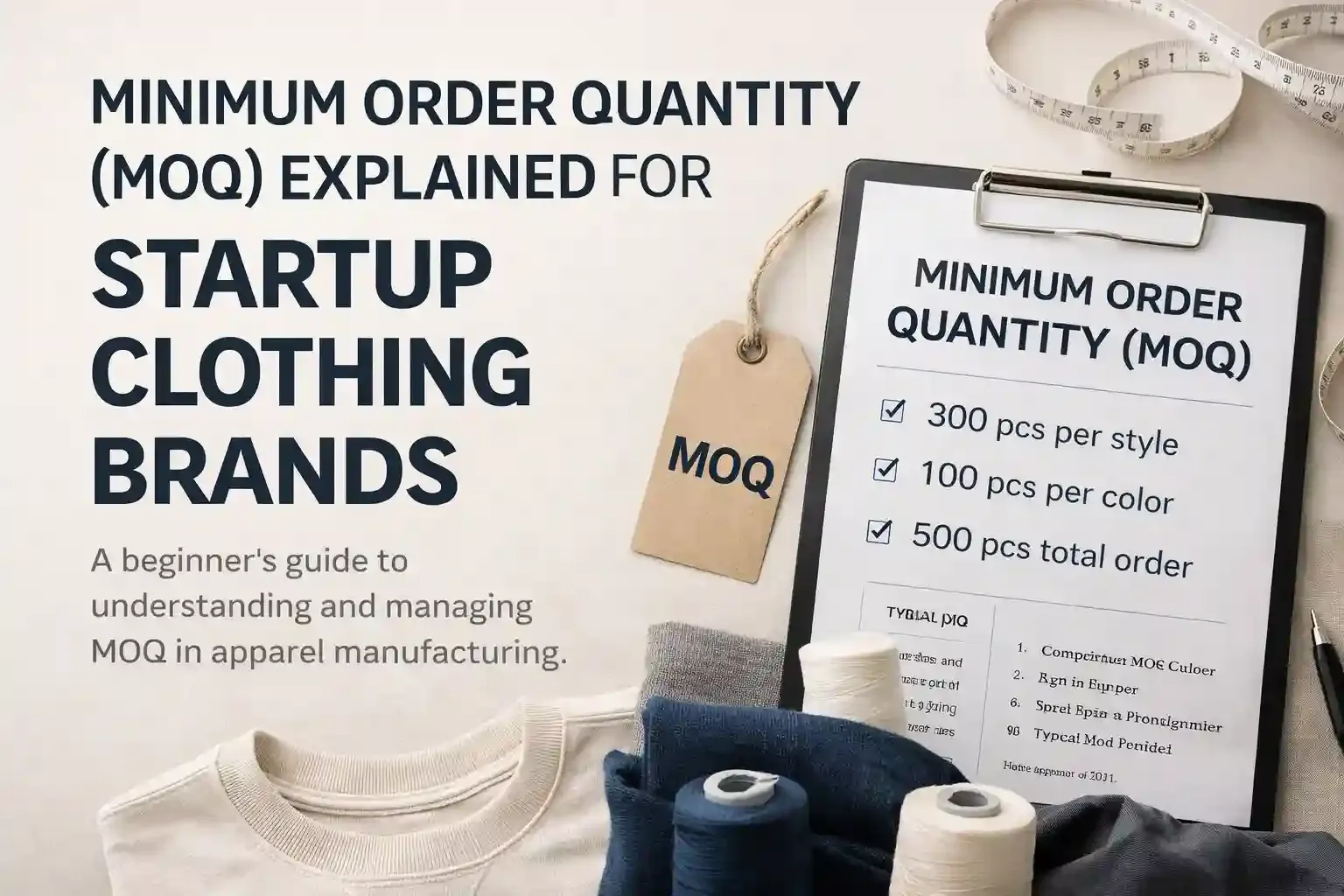
MOQ — does their minimum order align with your quantity, and how does MOQ change with color or customization?
MOQ Decision Logic
MOQ is not one fixed number. It typically varies by style, color count, fabric availability, and customization level. Treat the supplier's stated MOQ as a starting point, then confirm how it changes for your specific mix of styles, colors, and sizes. If a supplier cannot state how MOQ is derived, ask for the per-style and per-color minimums before proceeding.
Fabric Selection and Lab Dips
In loungewear the fabric carries most of the product's value. Beyond a target GSM, confirm the properties that decide whether the fabric holds up:
Softness retention after washing, pilling resistance, breathability, and stretch recovery.
Request at least one wash test during sampling to check post-wash stability, and approve colors from physical lab dips under natural light rather than from a screen.
For a wider discussion of fabric options and how to specify them, see our Fabric Sourcing page.
Sampling and Approval
Sampling converts your brief into a physical garment. Expect a first sample to check fit and construction, then one or two revision rounds. Loungewear fit commonly involves a relaxed silhouette, a slightly dropped shoulder, and elastic waistband comfort — details that need to be seen on a body or form before bulk.
Do not skip revision rounds to save time; a small fit issue caught in sampling is far cheaper to fix than one found in bulk. For the full sampling flow, see our Sampling Process page.
Bulk Production and Quality Control
After the approved sample is signed off, bulk production follows. The practical quality risks in loungewear are elastic insertion accuracy, color consistency between pieces, and fabric shrinkage control. A clear quality plan should cover in-line checks and a final inspection against your approved sample and specifications.
After the approved sample is signed off, bulk production follows. The practical quality risks in loungewear are elastic insertion accuracy, color consistency between pieces, and fabric shrinkage control. A clear quality plan should cover in-line checks and a final inspection before bulk. For specifics on how inspection and testing are structured, see our Quality Control page.
RFQ Inputs
When you are ready to request a quote, include the fields a supplier needs to price and plan accurately:
Product reference or tech pack, target composition and GSM, size range and size chart, color count and standard, trims and labels, packaging, target quantity, and launch date. Adding your sampling approval and QC expectations at this stage prevents surprises later.
How SMLI Supports Private Label Loungewear
SML INTIMATE works with private label buyers on knitwear and loungewear, from fabric selection and sampling through bulk production and quality control. These existing loungewear products illustrate the categories we support — they are manufacturing references, not fixed designs:
Double-Brushed Knit Wrap Pajama Set
Double-Sided Brushed Thermal Wide-Leg Cropped Pants
Women's Ribbed Vest Set
To discuss a project, contact us.