Jun 26, 2026Resources
Private Label Loungewear Development Guide for Fashion Brands
A practical guide to developing private label loungewear, including fabric selection, fit testing, production planning, and brand positioning strategy.
Introduction
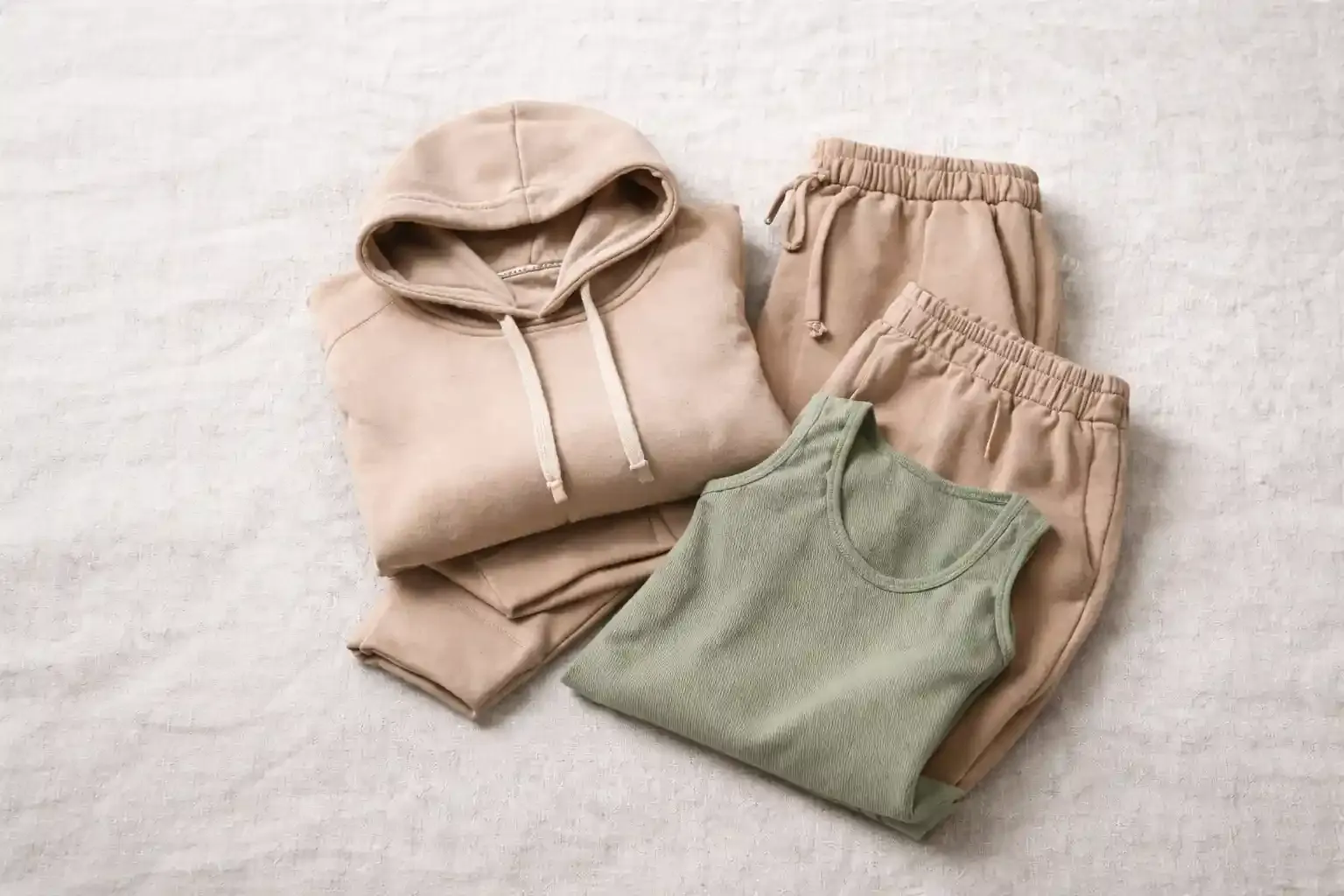
The loungewear category has evolved from basic sleepwear to premium comfort-focused fashion. Modern brands are now positioning loungewear as part of lifestyle collections rather than low-cost homewear.
This guide outlines the structured approach to developing private label loungewear.
1. Defining Product Positioning
Before manufacturing begins, brands must define:
- Target retail price
- Fabric hand feel
- Fit silhouette
- Seasonal weight
Premium loungewear often uses:
- Modal blends
- Cotton-spandex jersey
- Brushed knit fabrics
2. Fabric Selection
Key factors:
- Softness retention after washing
- Pilling resistance
- Breathability
- Stretch recovery
Sampling should include at least one wash test to evaluate post-wash stability.
3. Fit Development
Modern loungewear typically features:
- Relaxed silhouette
- Slightly dropped shoulder
- Elastic waistband comfort
Fit sampling may require 1–2 revisions to perfect drape and comfort.
4. Production Considerations
Common challenges include:
- Elastic insertion accuracy
- Color consistency
- Fabric shrinkage control
Clear communication between brand and manufacturer reduces delays.
5. Market Perspective
Premium loungewear brands in Canada and Australia increasingly prioritize quality over low pricing.
This shift allows manufacturers to focus on structured production rather than cost-cutting mass output.
Conclusion
Private label loungewear development requires careful planning in fabric selection, fit testing, and production control. Brands that treat loungewear as a premium category — rather than basic sleepwear — achieve stronger long-term positioning.
Working with an experienced knitwear manufacturer ensures that comfort, durability, and consistency are maintained throughout bulk production.