Jun 26, 2026Industry Insights
U.S. Tariff Policies and Their Impact on Financing and Financial Management in Chinese Apparel Companies
How U.S. tariffs affect financing, cash flow, and financial strategies of Chinese apparel exporters and how companies adapt to rising trade costs.
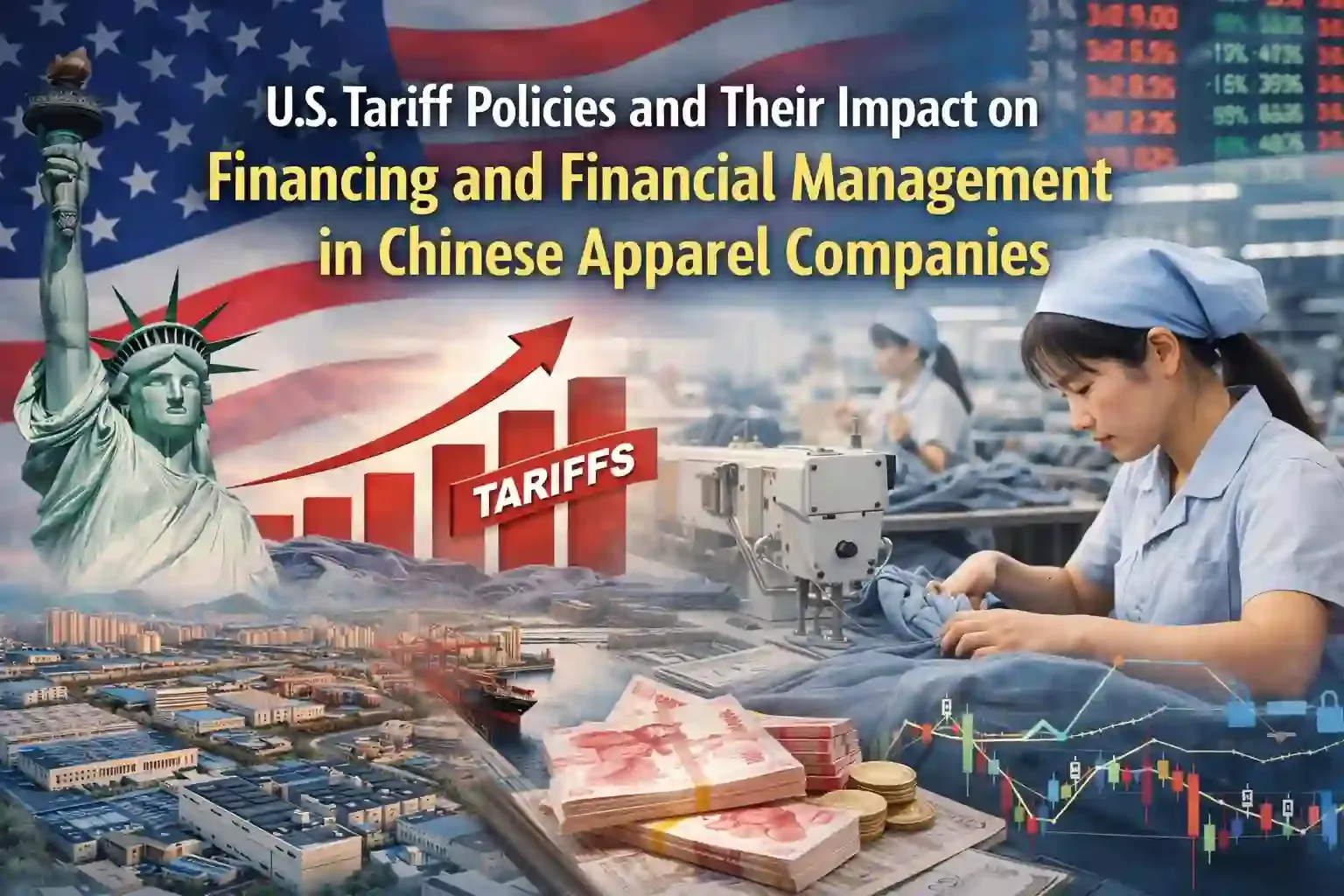
Over the past several years, rising U.S. tariffs on Chinese goods have significantly reshaped the financial environment for apparel exporters. For Chinese clothing manufacturers, the challenge is no longer limited to pricing and supply chains; it now extends deeply into corporate finance, cash flow management, and funding strategies.
As of 2026, many Chinese apparel companies must manage shrinking profit margins, increased operational costs, and uncertain demand from international buyers. In this environment, maintaining financial stability while adapting to global trade disruptions has become one of the most critical priorities for the industry.
Maintaining Financial Stability Under Tariff Pressure
Tariffs increase costs across multiple stages of the apparel supply chain, from raw materials to final export pricing. When tariffs rise, importers often push suppliers to reduce prices, which directly affects manufacturers’ margins.
China’s textile and apparel exports totaled $293.77 billion in 2025, slightly down 2.4% year-on-year, while apparel exports alone declined 5%, reflecting weakening demand and increased trade pressure.
At the same time, U.S. sourcing from China has dropped significantly. China’s share of U.S. apparel imports has fallen sharply over the past decade as buyers diversify to other countries.
For apparel exporters, this shift means:
- Lower order volumes from major buyers
- Longer payment cycles
- Higher production and logistics costs
All of these factors place pressure on corporate balance sheets and increase the risk of financial instability, particularly for small and medium-sized manufacturers.
To maintain healthy finances, companies must focus on cost control and operational efficiency. Many apparel manufacturers are investing in automation, improving supply chain coordination, and optimizing inventory levels to reduce working capital pressure.
Financing Strategies to Address Rising Costs
When tariffs raise costs and reduce profitability, access to financing becomes essential for sustaining operations and supporting long-term growth.
Diversifying Financing Channels
Traditionally, Chinese apparel exporters have relied heavily on bank loans and internal cash flow. However, tariff-related uncertainty has encouraged companies to explore more diversified financing options, including:
- Trade finance and export credit
- Supply chain financing programs
- Private equity or strategic investment
- Cross-border e-commerce financing platforms
These financing channels can help companies manage cash flow gaps caused by delayed payments from international buyers.
Government and Policy Support
In response to trade pressures, Chinese authorities have implemented policies to support exporters, including export tax rebates and credit programs aimed at stabilizing the foreign trade sector.
Such measures help companies reduce financial pressure and maintain production stability during periods of declining overseas demand.
Improving Cash Flow and Accounts Receivable Management
Cash flow management has become one of the most important financial priorities for apparel exporters.
Tariffs and geopolitical uncertainty often lead to:
- delayed purchasing decisions by overseas buyers
- longer payment terms in export contracts
- higher inventory risks
In recent years, many apparel companies have experienced longer receivable cycles as retailers attempt to manage their own financial risks.
To mitigate these challenges, exporters are implementing stricter financial management practices.
Strengthening Accounts Receivable Control
Many companies now adopt stricter credit evaluation systems for international buyers. This includes:
- limiting credit exposure to new customers
- requiring partial advance payments
- using export credit insurance to reduce payment risk
These measures help companies reduce bad debt risks while maintaining international business relationships.
Enhancing Cash Flow Flexibility
Another important strategy is improving operational flexibility.
Companies increasingly focus on:
- shorter production cycles
- smaller production batches
- faster inventory turnover
These strategies allow manufacturers to respond more quickly to market changes while maintaining stable cash flow.
Strategic Financial Planning for Long-Term Stability
Beyond short-term financial management, Chinese apparel exporters must also rethink their long-term financial strategies.
Industry data shows that exports to the U.S. dropped around 20% in some months of 2025, forcing companies to diversify markets and adjust financial planning accordingly.
To adapt to this environment, many companies are investing in:
- market diversification
- higher value-added products
- digital supply chain management
- overseas production partnerships
These strategies not only reduce exposure to tariffs but also create more stable revenue streams.
Conclusion
U.S. tariff policies have significantly reshaped the financial landscape for Chinese apparel exporters. Rising tariffs and shifting global trade patterns have increased pressure on profitability, financing, and cash flow management.
To remain competitive, apparel companies must adopt more sophisticated financial strategies, including diversified financing, stronger cash flow management, and proactive risk control.
Although tariffs create challenges, companies that strengthen their financial resilience and adapt their funding strategies will be better positioned to navigate global trade uncertainty and sustain long-term growth in the international apparel market.