Jun 26, 2026Industry Insights
Impact of Recent U.S. Tariff Increases on China-U.S. Trade and China’s Apparel Exports
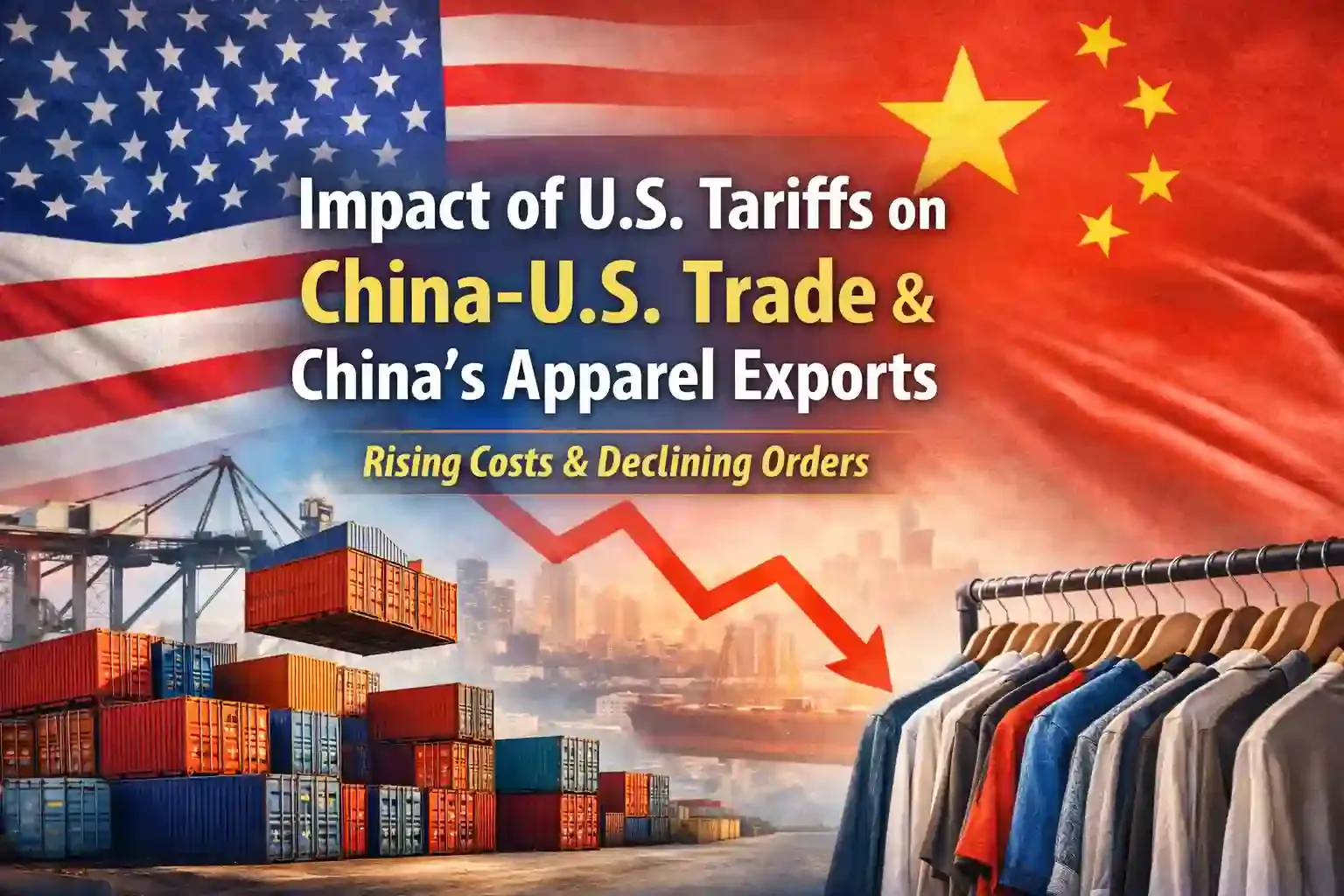
Rising U.S. tariffs have reduced China-U.S. trade, significantly impacting China’s apparel exports and pushing manufacturers to adjust strategies and markets.
Impact of U.S. Tariff Increases on China-U.S. Trade and China’s Apparel Exports
Since 2018, the U.S. has implemented multiple rounds of tariffs on hundreds of billions of dollars’ worth of Chinese imports, including electronics, machinery, textiles, and apparel. These tariffs aimed to reduce the U.S. trade deficit and encourage changes in China’s trade policies. However, they have also significantly affected trade volumes and created substantial challenges for China’s apparel exports.
Decline in China-U.S. Trade
- Imports from China to the U.S. dropped sharply after 2018.
- Apparel, textiles, and footwear were among the most affected categories.
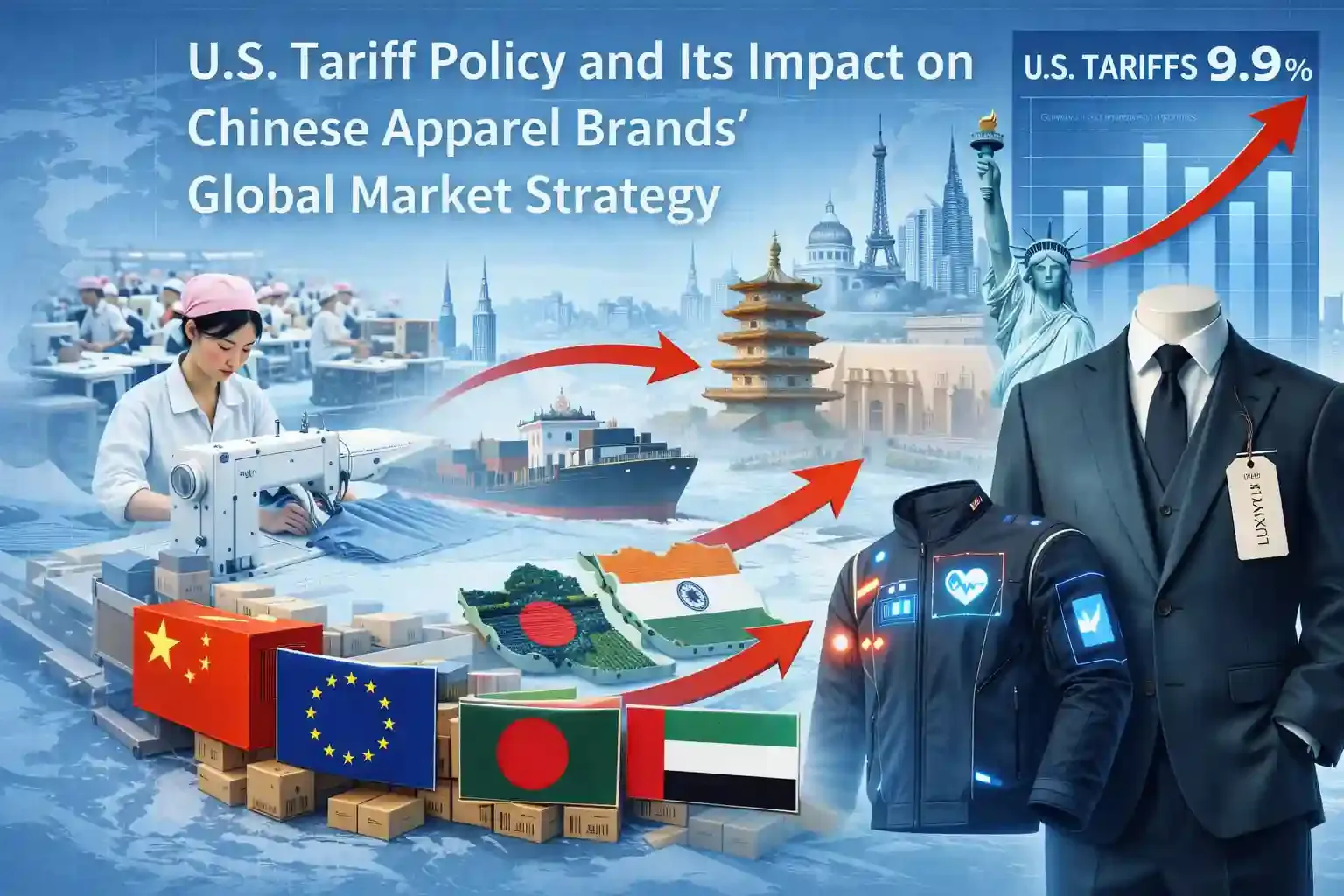
- U.S. buyers began sourcing from alternative countries such as Vietnam, Bangladesh, and India.
- Export costs increased, reducing profit margins for Chinese manufacturers.
Effects on China’s Apparel Industry
China’s apparel industry, a major global supplier, has faced several challenges due to U.S. tariffs:
1. Increased Export Costs
- Tariffs on cotton garments and mid-range apparel rose from 0% to 15% or more.
- Small and medium factories faced reduced margins and financial strain.
2. Order Shifts and Market Diversification
- U.S. buyers redirected orders to countries with lower tariffs.
- Factories heavily reliant on the U.S. market saw significant order declines.
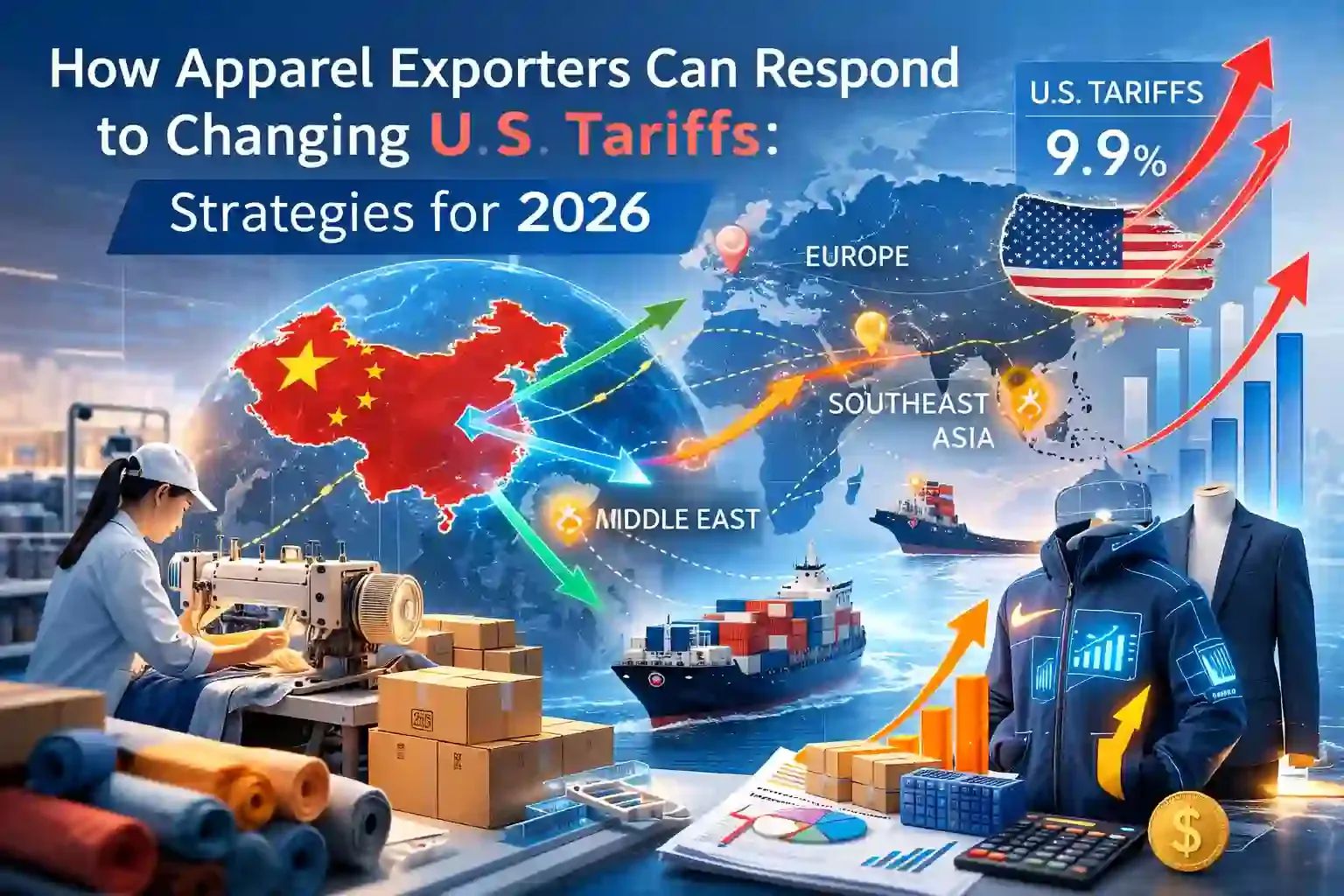
- Many manufacturers are exploring European and Southeast Asian markets to minimize the impact of tariffs on the clothing industry.
3. Supply Chain Adjustments
- Some exporters moved production overseas or adopted cross-border processing.
- These adjustments required additional investment and increased operational complexity.
4. Product and Brand Strategy Changes
- Low- and mid-range apparel became less competitive in the U.S. market due to U.S. tariffs.
- Manufacturers shifted toward higher value-added products and brand development.
Conclusion
The U.S. tariff increases have directly impacted China-U.S. trade and created significant challenges for China’s apparel exports.
Short-term effects:
- Higher export costs and reduced orders.
Long-term effects:
- Accelerated product upgrading, supply chain optimization, and market diversification.
For small and medium-sized manufacturers, trade tensions remain a serious challenge, highlighting the need for innovation, brand building, and exploring alternative global markets.
Get in Touch
If you're interested in discussing export opportunities, seeking B2B support, or have any questions about our products, feel free to contact us. We’d love to help you find the best solutions for your business.