Sep 7, 2026Industry Insights
Why Premium Basics Are Replacing Fast Fashion: A Strategic Shift for Apparel Brands
Learn why premium basics are replacing fast fashion, emphasizing quality, sustainability, and minimalist design, and how brands can adapt to consumer trends.
Author & Source
Author: Connor Ma, International Trade Analyst with 10+ years of experience in global apparel exports and supply chain strategy
Reviewed by: SML Intimate Sourcing Team
Published by: SML Intimate Research Department
Introduction
The global apparel industry is undergoing a structural transformation. Based on long-term export experience and B2B sourcing trends, demand is steadily shifting away from fast fashion toward premium basics.
Rather than focusing on low-cost, trend-driven products, brands and buyers are prioritizing quality, durability, and supply chain reliability. This shift reflects not only changing consumer preferences but also growing pressure around sustainability and inventory efficiency.
For apparel manufacturers and B2B suppliers, understanding this transition is critical to staying competitive in today’s market.
1. Rising Demand for Quality and Product Performance
From a manufacturing and sourcing perspective, buyers are increasingly specifying higher product standards.
Common requirements now include:
- Heavyweight cotton (200–300 GSM)
- Combed or compact yarn fabrics
- Reinforced stitching and improved construction
These upgrades directly improve garment performance by:
- Reducing pilling
- Enhancing durability after repeated washing
- Delivering a better hand feel and structure
In practice, products such as heavyweight T-shirts and premium hoodies generate higher repeat order rates, especially in mid-to-premium market segments.
This indicates a clear shift toward long-term product value over short-term pricing advantages.
2. Sustainability Is Becoming a Procurement Requirement
Sustainability has evolved from a marketing concept into a core purchasing requirement in many B2B markets.
Buyers—especially in the US and Europe—are increasingly demanding:
- Organic or responsibly sourced cotton
- Certified materials and traceable supply chains
- Transparent production processes
According to industry data, a growing percentage of consumers are willing to pay more for sustainable apparel, pushing brands to adopt more responsible sourcing strategies.
At the same time, producing fewer but higher-quality garments helps:
- Reduce overproduction
- Lower return rates
- Minimize textile waste
As a result, supplier transparency and compliance are now key factors in building long-term trust with buyers.
3. Shift from Volume-Based to Value-Based Purchasing
The traditional fast fashion model relied on high volume and rapid product turnover. However, current B2B purchasing behavior shows a transition toward value-driven sourcing.
Key changes include:
- Fewer, more focused product lines
- Higher spending per SKU
- Longer product life cycles
This shift allows brands to:
- Reduce inventory risk
- Improve sell-through rates
- Maintain more stable margins
For manufacturers, it also means more predictable production planning and fewer last-minute changes.
Overall, premium basics support a more sustainable business model built on consistency, efficiency, and profitability.
4. Minimalist Design Drives Consistent Demand
From a product development perspective, minimalist and timeless designs are outperforming trend-driven styles.
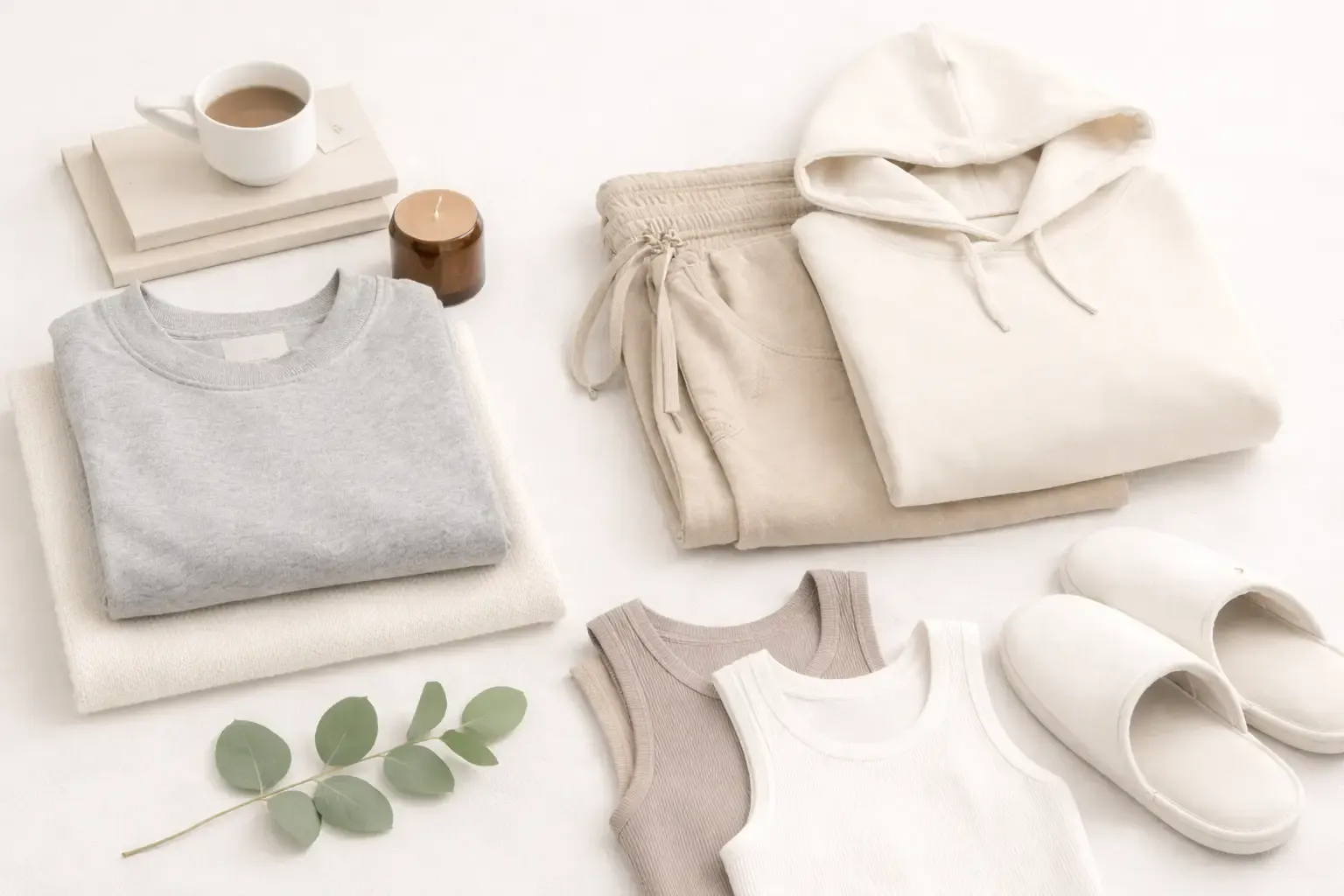
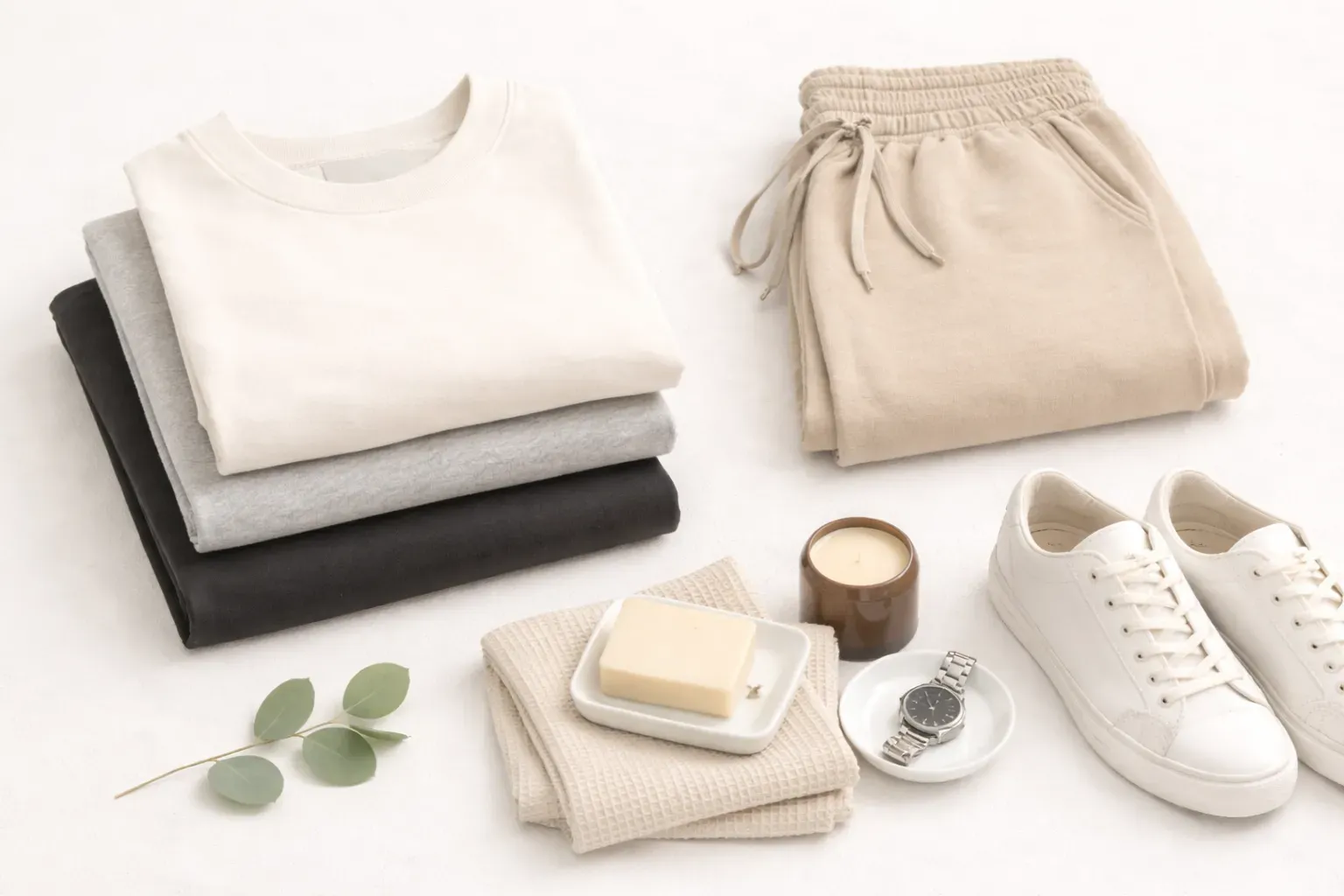
High-performing categories include:
- Heavyweight T-shirts
- Hoodies and sweatshirts
- Loungewear essentials
These products typically feature:
- Neutral colors (black, white, grey, beige)
- Clean silhouettes
- Minimal or no visible branding
This design approach increases:
- Versatility across different markets
- Ease of styling and layering
- Product lifespan across multiple seasons
For B2B buyers, this means lower risk and broader market acceptance, making premium basics a safer investment compared to fast-changing fashion items.
5. Strategic Implications for B2B Apparel Businesses
To adapt to this industry shift, apparel manufacturers and suppliers need to adjust their strategies across multiple areas:
Product Strategy
- Focus on core, repeatable styles instead of trend-driven collections
- Invest in higher fabric quality and fit consistency
Sourcing Strategy
- Build long-term partnerships with reliable fabric suppliers
- Prioritize certified and traceable materials
Sales Strategy
- Emphasize durability, fabric specifications, and performance
- Shift messaging from “low price” to “long-term value”
Customer Relationship
- Offer consistent quality to support repeat orders
- Strengthen trust through transparency and reliability
These changes help suppliers move from price competition to value-based partnerships.
Conclusion
The rise of premium basics reflects a fundamental change in how the apparel market operates.
Driven by sustainability concerns, quality expectations, and more rational purchasing behavior, both consumers and brands are moving toward fewer, better products.
For B2B apparel businesses, this shift presents a clear opportunity. Companies that focus on quality, consistency, and transparent sourcing will be better positioned to build long-term client relationships and achieve sustainable growth in an increasingly competitive global market.
References
- McKinsey & Company. The State of Fashion 2024–2025
- NielsenIQ. Sustainable Consumer Behavior Report 2024
- Textile Exchange. Preferred Fiber & Materials Market Report 2024
- Apparel Impact Institute. Fashion Climate Impact Report 2024
- Statista. Sustainable Apparel Market Growth and Consumer Trends 2025
Related Basics and Tops
The following products are manufacturing references for premium basics:
Work with SML INTIMATE: we help B2B brands build premium basics programs with custom fabrics, private label development, and consistent bulk quality. Start your basics line via our contact page, or learn about private label and custom design.