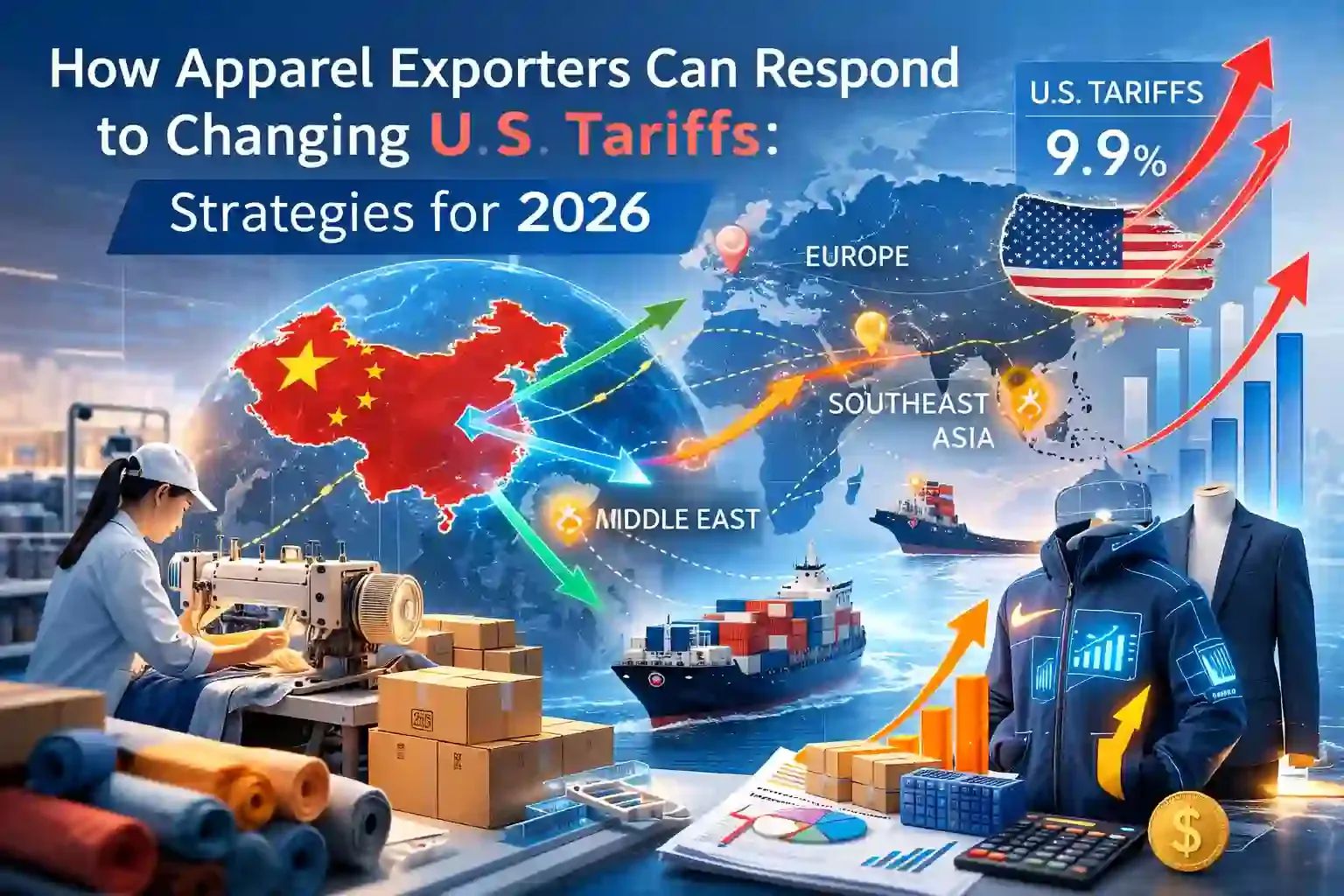
Jun 26, 2026Industry Insights
Iran Drone Attacks on AWS Data Centers: Impact on Global E-Commerce and Chinese B2B Exports in 2026
Analyze Iran's drone attacks on AWS data centers and their impact on global e-commerce and Chinese B2B apparel exports in 2026, with risk mitigation strategies.
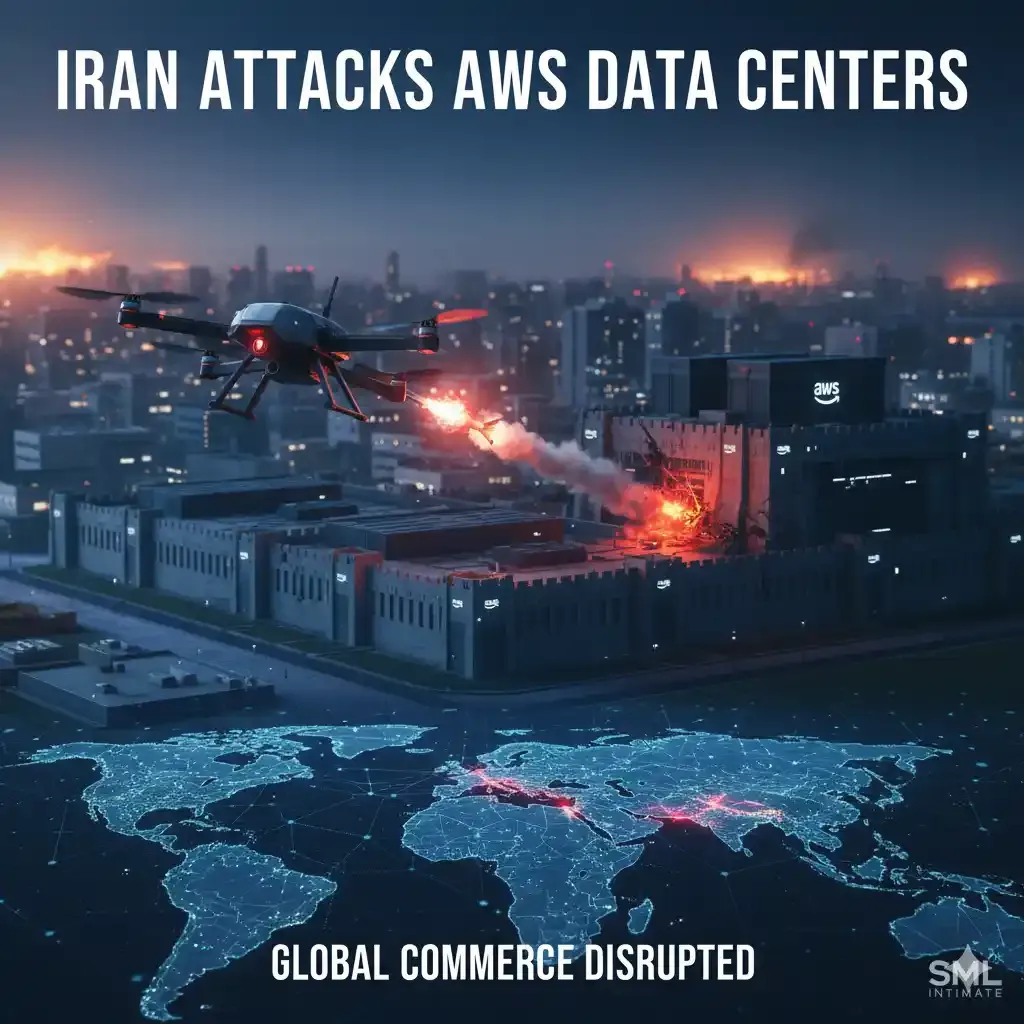
In early 2026, Iran launched drone strikes targeting U.S.-owned AWS data centers located in the Middle East (UAE and Bahrain). These attacks, while not on U.S. soil, caused localized service disruptions, highlighting how cloud infrastructure has become a potential military target in geopolitical conflicts.
The incidents are unprecedented, marking the first large-scale attack on American cloud infrastructure abroad, and have implications for global commerce, digital operations, and international B2B trade.
Who is Impacted?
- Global E-Commerce (B2C)
- Websites, apps, and online marketplaces using AWS in the Middle East experienced service delays or temporary outages.
- Consumers in the Middle East and surrounding regions faced slower checkout, payment delays, and disrupted order tracking.
- Companies relying heavily on cloud-based payment and inventory systems saw temporary operational challenges.
- Cloud Service Providers
- AWS and other cloud providers must upgrade security measures, including war-risk mitigation and infrastructure redundancy.
- This increases operational costs and may affect regional pricing.
- Global Supply Chains
- Companies whose logistics, ERP, and order management rely on AWS face information delays, increasing risk in shipments and coordination.
- Ports in the Middle East are also under strain due to geopolitical tension, compounding delays.
Implications for Chinese E-Commerce
- Cross-Border E-Commerce Platforms
- Platforms serving Middle East customers may experience temporary downtime or slower order fulfillment.
- Chinese sellers relying on cloud-based payment processing or warehouse management may need alternative routes or backup servers.
- Customer Experience
- Delays or errors in order processing could affect buyer satisfaction, returns, and trust in Chinese e-commerce brands.
- Mitigation Strategies
- Use multi-region cloud backups outside conflict zones.
- Communicate proactively with customers about potential delays.
- Consider regional fulfillment centers or third-party logistics providers outside high-risk areas.
Implications for Chinese B2B Exporters
- Supply Chain Risks
- Apparel exporters shipping to Middle East markets may experience shipping delays, especially if logistics rely on cloud-based tracking systems hosted on AWS.
- War-risk zones may increase freight insurance premiums and fuel surcharges.
- Order Management Challenges
- ERP systems or inventory tracking may be temporarily disrupted, leading to delays in order confirmations or shipment notifications.
- Middle East buyers may request partial shipments or alternative delivery arrangements.
- Cost Implications
- Rising fuel and insurance costs may reduce profit margins.
- Exporters must plan for contingencies, such as alternative shipping routes, multiple supplier sourcing, and temporary stock buffers.
- Limited Opportunities
- Only businesses offering backup logistics or cloud-independent solutions may gain temporary business from customers seeking reliable alternatives.
- For the majority of B2B exporters, this is not a direct benefit, but a wake-up call to strengthen risk management.
Strategic Recommendations for Chinese Exporters
- Diversify Markets: Explore Southeast Asia, Europe, or Japan to reduce reliance on Middle East buyers.
- Alternative Cloud & Logistics Solutions: Use multi-region cloud hosting and multiple shipping providers.
- Inventory Planning: Maintain buffer stock to cope with unexpected delays.
- Communication: Maintain transparent and proactive updates with B2B clients and e-commerce customers.
Summary
Iran’s drone attacks on AWS data centers in the Middle East primarily affect e-commerce platforms and B2B exporters reliant on cloud infrastructure. While the event is not a B2B opportunity, it emphasizes the urgent need for risk mitigation, multi-region backups, and supply chain diversification for Chinese exporters and e-commerce sellers in 2026.