Jun 26, 2026Industry Insights
How Global Conflicts Are Reshaping Apparel Supply Chains in 2026
Global conflicts, shipping disruptions, and tariffs are reshaping apparel supply chains in 2026. Learn how clothing brands adapt sourcing strategies.
Introduction
The global apparel industry depends heavily on stable logistics networks, predictable shipping routes, and consistent trade policies. However, geopolitical tensions in 2026 are rapidly changing how clothing brands source, manufacture, and distribute their products.
From disruptions in the Red Sea shipping corridor to growing tensions around the Strait of Hormuz, and ongoing tariff policies between the United States and China, the global apparel supply chain is entering a new phase of uncertainty.
For fashion brands and sourcing managers, understanding how geopolitical conflicts affect clothing manufacturing and logistics has become essential for building resilient supply chains.
How Do Global Conflicts Affect Apparel Supply Chains?
Global conflicts affect apparel supply chains by disrupting international shipping routes, increasing energy prices, and introducing new trade policy risks. These disruptions often lead to higher logistics costs, longer delivery times, and shifts in global apparel sourcing strategies.
For clothing brands that rely on overseas manufacturing partners, geopolitical instability can significantly influence production planning, inventory management, and retail pricing.
Red Sea Shipping Disruptions and Apparel Logistics
The Red Sea is one of the most critical maritime routes connecting Asia to Europe through the Suez Canal.
In recent years, security risks in the region have caused several shipping companies to reroute cargo vessels around the Cape of Good Hope. This alternative route adds thousands of nautical miles to shipping journeys.
For apparel brands, these changes create several challenges:
- Longer delivery timelines to European markets
- Higher ocean freight costs
- Greater uncertainty in seasonal inventory planning
For fast-moving apparel categories such as T-shirts, hoodies, and loungewear, shipping delays can disrupt retail launches and promotional cycles.
The Strategic Importance of the Strait of Hormuz
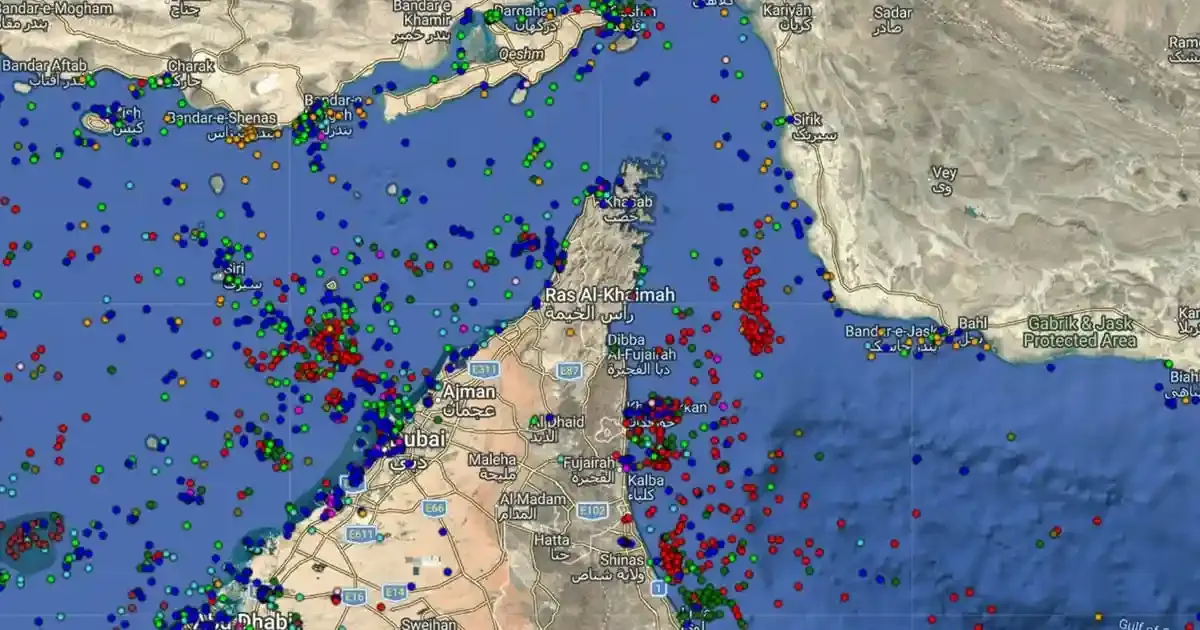
Another major global trade chokepoint is the Strait of Hormuz, located between Iran and Oman.
A significant portion of the world's oil exports passes through this narrow waterway. When tensions rise in the region, global energy prices tend to increase rapidly.
For the apparel industry, rising oil prices trigger a chain reaction across the manufacturing process:
- Increased fuel costs for international shipping
- Higher energy costs in textile production
- Rising transportation and logistics expenses
Because textile production processes such as spinning, knitting, dyeing, and finishing are energy-intensive, fluctuations in oil prices can directly impact clothing manufacturing costs.
Trade Tariffs and Policy Uncertainty
Trade policies also play a major role in reshaping global apparel sourcing strategies.
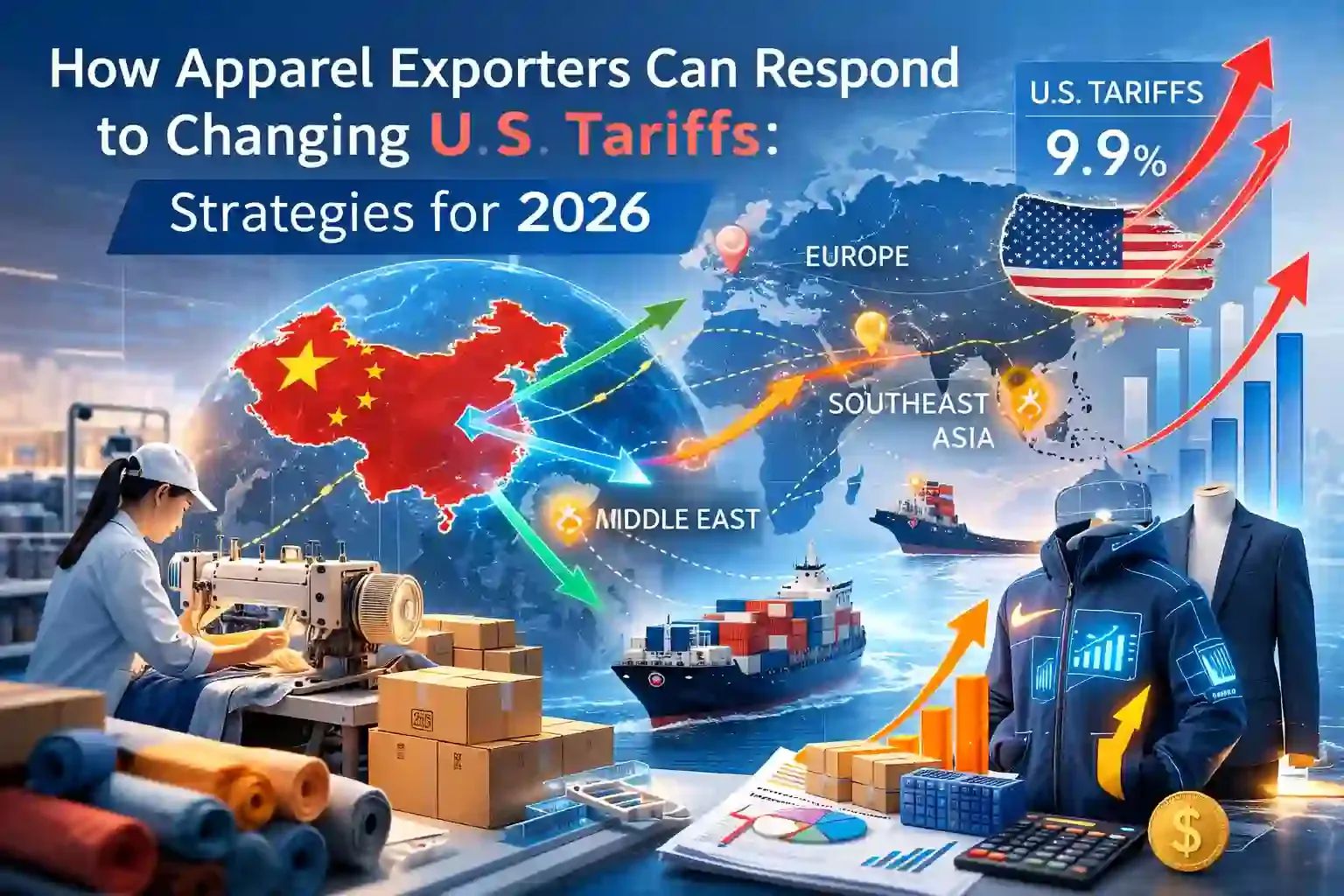
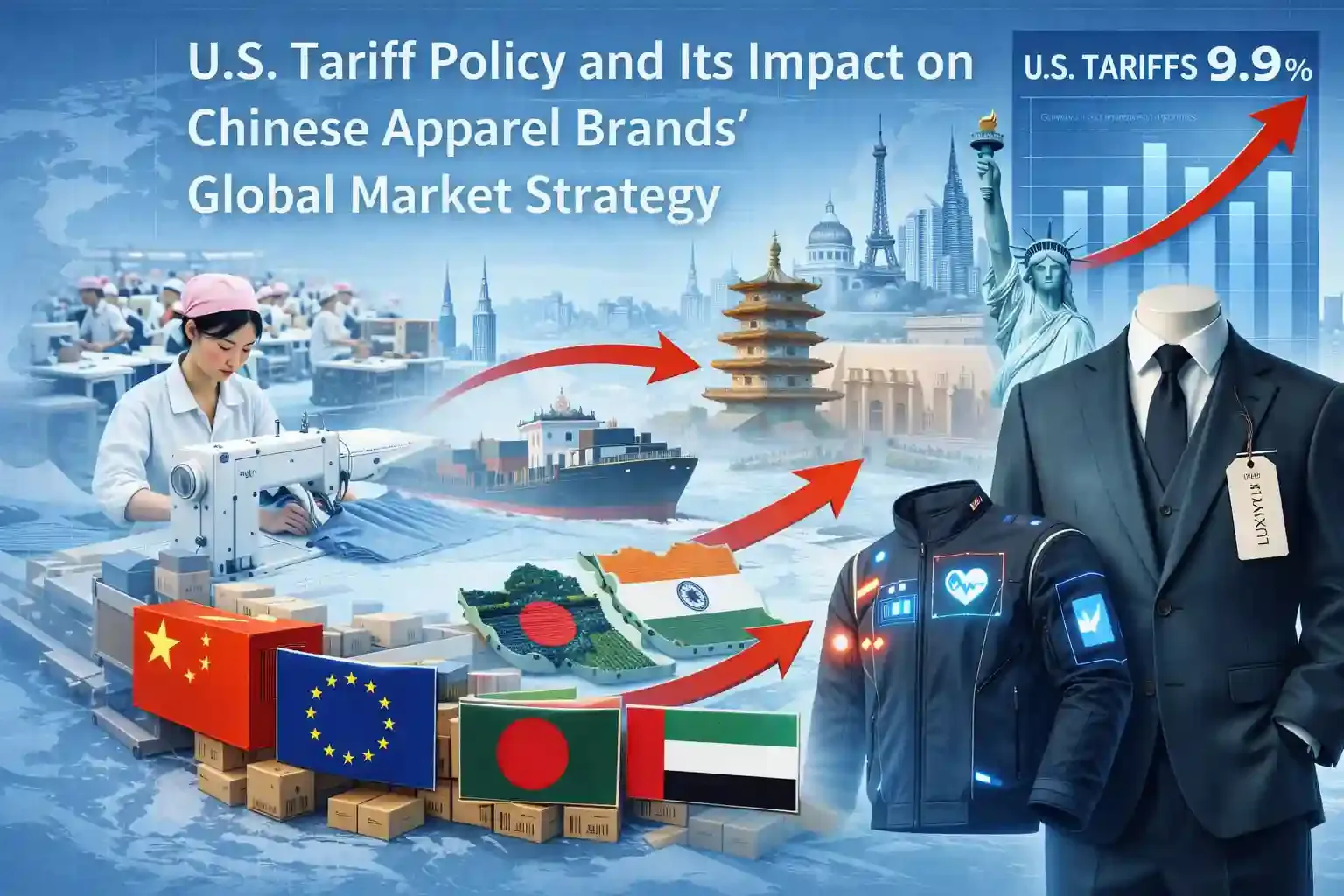
Tariffs imposed by the United States on certain imported goods from China have encouraged some fashion brands to diversify their supply chains.
Many companies are now adopting a “China + 1” sourcing strategy, adding manufacturing partners in countries such as:
- Vietnam
- Bangladesh
- India
Despite these shifts, China remains one of the most important global apparel manufacturing hubs due to its integrated textile ecosystem, advanced production infrastructure, and reliable supplier networks.
Rising Shipping Costs for Apparel Brands
Global conflicts often lead to rising ocean freight costs due to several factors:
- Increased insurance premiums for ships traveling through high-risk regions
- Longer shipping routes that require additional fuel consumption
- Port congestion caused by rerouted shipping traffic
For apparel brands, higher logistics costs create pricing pressure throughout the entire supply chain.
Retailers must decide whether to increase retail prices, reduce margins, or negotiate lower manufacturing costs with suppliers. This dynamic makes supply chain efficiency more important than ever.
How Clothing Brands Are Adapting Their Supply Chains
To reduce geopolitical risk, many fashion brands are adjusting their global sourcing strategies in several ways.
1 Diversifying Manufacturing Locations
Brands are increasingly working with multiple apparel manufacturers across different regions to reduce dependency on a single sourcing country.
2 Improving Inventory Planning
Retailers are placing orders earlier to account for possible shipping delays and longer transit times.
3 Building Stronger Supplier Relationships
Reliable manufacturing partners with stable production capacity and transparent communication are becoming increasingly valuable.
4 Increasing Supply Chain Visibility
Many companies are investing in digital tracking systems to monitor shipments and respond quickly to disruptions.
Opportunities for Apparel Manufacturers
While geopolitical uncertainty creates challenges, it also presents opportunities for experienced apparel manufacturers.
Factories that can provide:
- Stable production capacity
- Reliable delivery timelines
- Flexible customization services
- Consistent product quality
are more likely to establish long-term partnerships with international fashion brands.
For clothing brands navigating supply chain disruptions, working with reliable manufacturing partners can significantly reduce operational risk.
Conclusion
Global conflicts, shipping disruptions, and evolving trade policies are reshaping the apparel industry in 2026.
From instability in the Red Sea shipping corridor to rising tensions around the Strait of Hormuz, fashion brands must adapt to an increasingly complex global supply chain environment.
By diversifying sourcing strategies, improving logistics planning, and building strong manufacturing partnerships, apparel companies can remain competitive despite geopolitical uncertainty.
For brands sourcing clothing internationally, supply chain resilience will become one of the most important competitive advantages in the years ahead.