Sep 28, 2026Manufacturing & Quality
Heavyweight vs Regular T-Shirt: Complete Comparison Guide for Fashion Brands
A professional comparison of heavyweight and regular T-shirts, covering fabric weight, construction differences, cost impact, and brand positioning insights.
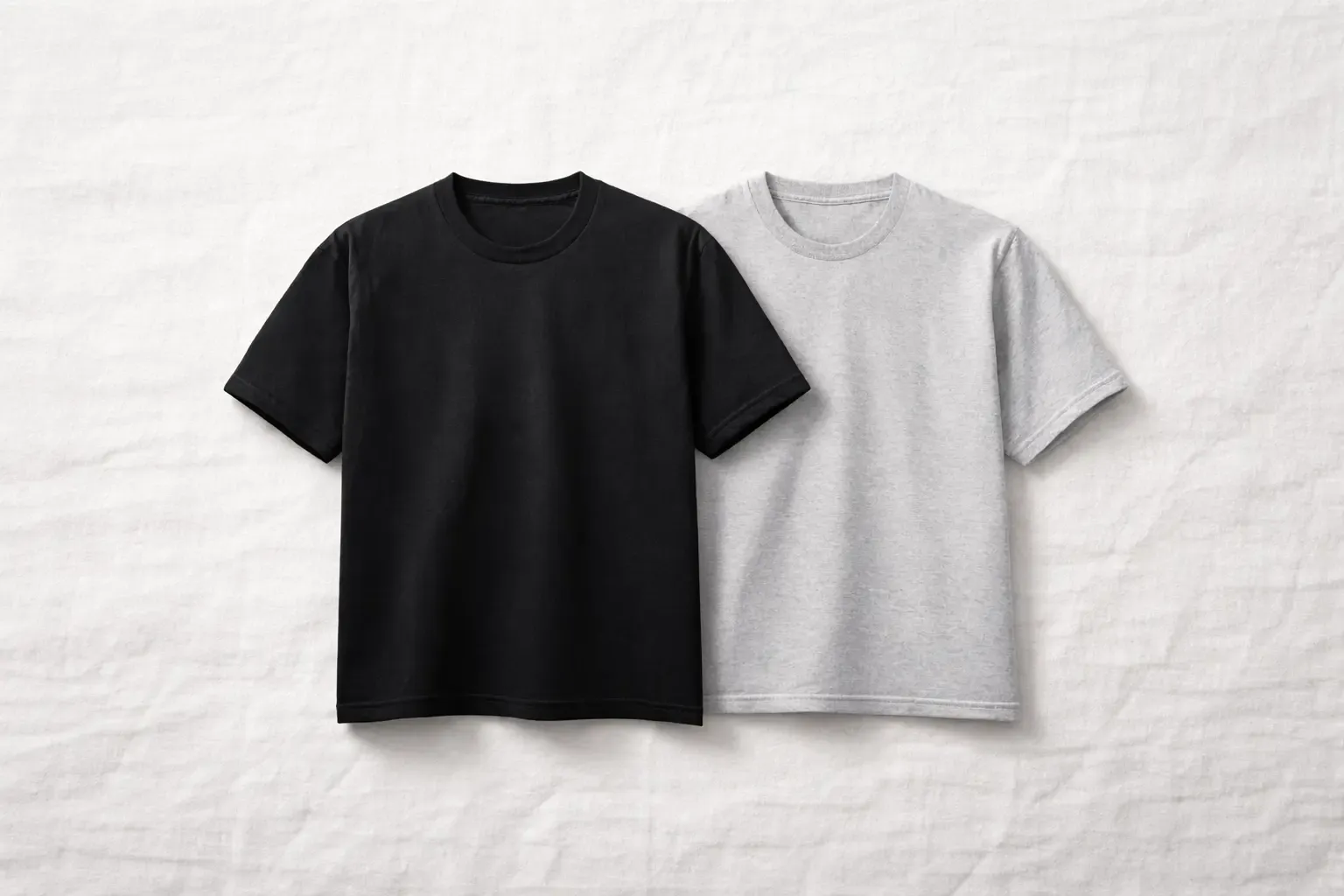
Introduction
When developing a private label apparel collection, fabric weight is one of the most important decisions a brand must make. The difference between a regular T-shirt and a heavyweight T-shirt is not just about thickness — it directly affects structure, retail pricing, target audience, and brand positioning.
This guide explains the key differences between heavyweight and regular T-shirts from a manufacturing and brand development perspective.
1. What Is a Regular T-Shirt?
Regular T-shirts typically use fabric weights between:
- 160–190gsm
- 100% cotton or cotton-poly blends
Characteristics:
- Lightweight
- Soft drape
- Lower production cost
- Suitable for promotional or mass-market products
From a manufacturing perspective, regular T-shirts require less structured stitching and minimal reinforcement.
They are commonly used in:
- Promotional apparel
- Entry-level retail collections
- Large-volume programs
2. What Is a Heavyweight T-Shirt?
Heavyweight T-shirts generally use:
- 240–300gsm cotton fabric
- Structured jersey or compact knit
- Reinforced neckline rib
Characteristics:
- Stronger garment structure
- Premium hand feel
- Boxy or oversized silhouette
- Higher perceived retail value
Heavyweight garments are popular in streetwear and contemporary fashion brands, particularly in markets like Canada and Australia.
3. Structural Differences in Manufacturing
Stitching & Construction
Regular T-shirts:
- Standard single-needle construction
- Lighter seam reinforcement
Heavyweight T-shirts:
- Reinforced shoulder seams
- Taped neck binding
- Double-needle finishing
- Thicker rib collar
Fabric Control
Heavyweight production requires:
- Pre-shrink control
- Fabric relaxation before cutting
- More precise grading
This increases production complexity and quality management requirements.
4. Cost & Pricing Impact
Heavyweight T-shirts cost more because:
- More fabric per garment
- Higher knitting density
- Increased sewing time
- Additional quality inspection
However, they allow brands to:
- Position as premium
- Increase retail price
- Improve durability perception
- Reduce return rates
5. Which Should Your Brand Choose?
Choose Regular T-shirts if:
- Your brand focuses on entry-level pricing
- You need high-volume production
- Structure is not critical
Choose Heavyweight T-shirts if:
- You are targeting streetwear or elevated basics
- You want higher margin positioning
- You value structure and durability
Conclusion
The difference between heavyweight and regular T-shirts goes beyond fabric weight. It influences brand identity, manufacturing complexity, and long-term product value.
For brands developing private label knitwear, understanding fabric structure early in the process reduces sampling revisions and production risks.
If you are developing a heavyweight T-shirt program, consult with an experienced knitwear manufacturer before confirming your tech pack.
Next Step for Buyers
Confirm supplier comparison points — product range, fabric access, sampling, quality control, MOQ logic, and communication — then prepare your buyer inputs and request a sample before bulk.
Heavyweight or Regular for Your Line?
We knit both weights in-house and can sample them side by side, so your team compares real garments instead of swatches. Minimums start around 300 pieces per style per color, including heavyweight programs developed to spec.
Related Products
Work with SML INTIMATE: we produce both heavyweight and regular knit T-shirts for B2B brands, with fabric development and sampling before bulk production. Compare fabric options with us via our contact page or review our knitwear guide.