Jun 26, 2026Industry Insights
The Future of U.S. Tariff Policies and the Outlook for China’s Apparel Industry
Future U.S. tariff policies and their impact on China’s apparel industry, including export trends, supply chain shifts, and risk management strategies.
Author: Connor Ma, International Trade Analyst with 10 years of experience in global apparel exports and supply chain strategy.
Published by: SML Intimate Research Department
Introduction: Why Exporters Are Searching for This Information
For Chinese small and medium-sized apparel exporters, U.S. tariffs have become a critical factor in business planning. Exporters face declining orders from the U.S., rising costs, and uncertain trade policies. Companies are searching for answers to questions like:
- How will U.S. tariffs change in 2026 and beyond?
- What markets can compensate for declining U.S. demand?
- How can supply chains be restructured to reduce tariff exposure?
- How should I manage financial and operational risks caused by policy shifts?
This article provides data-driven insights and actionable strategies to help exporters respond proactively.
1. Understanding Future U.S. Tariff Scenarios
U.S. tariffs on Chinese goods have fluctuated in recent years. According to the U.S. International Trade Commission (2025):
- Average effective tariffs on Chinese apparel reached 10%, significantly higher than most other trading partners.
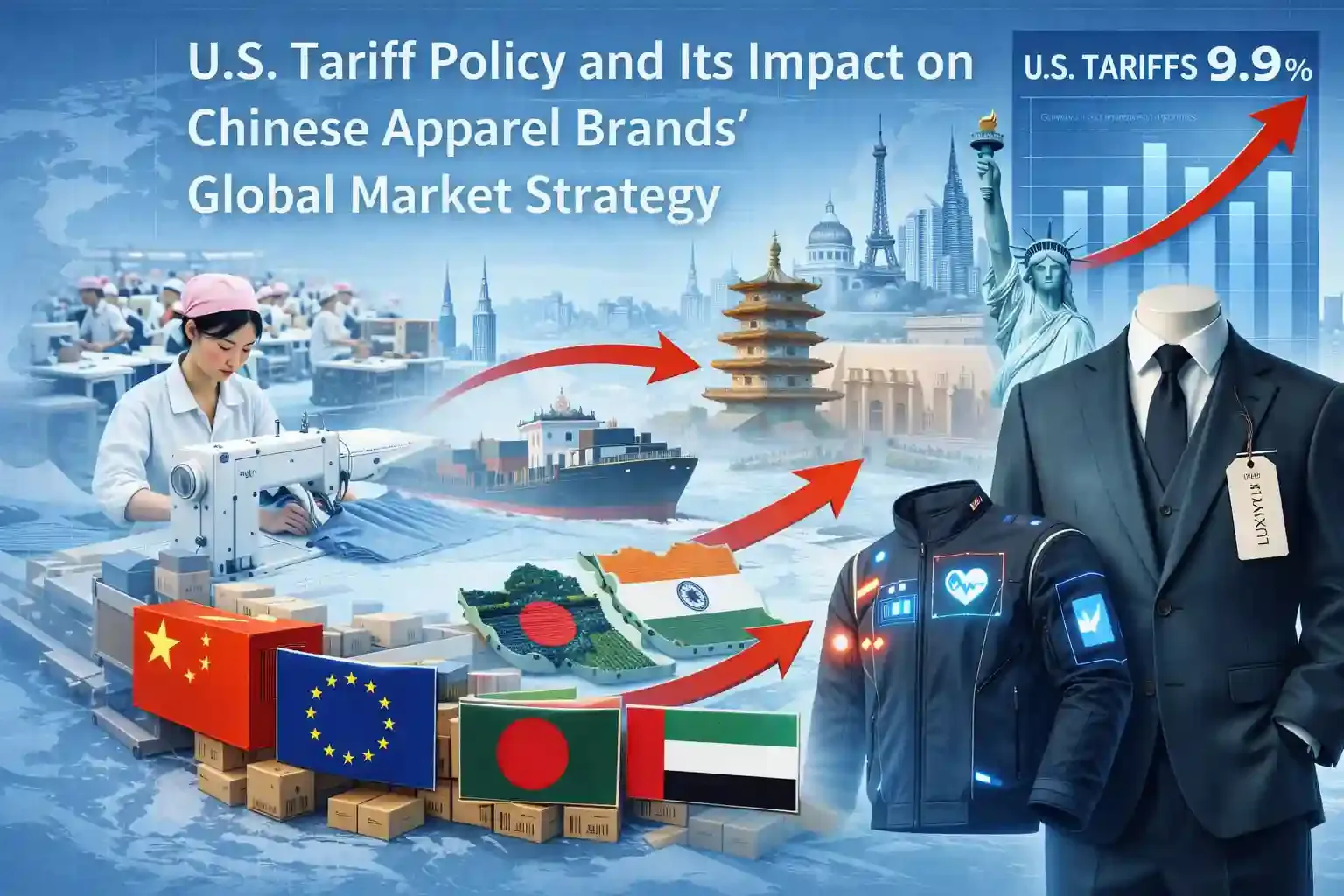
- U.S. imports of Chinese textiles and clothing fell by 27% in 2025, as buyers shifted to Vietnam, Bangladesh, and India.
Potential future scenarios include:
- Continuation of strategic tariffs on Chinese manufacturing sectors.
- Selective tariff reductions if trade negotiations improve.
- Expansion of tariffs to additional product categories.
Customer takeaway: Understanding these scenarios allows exporters to plan inventory, pricing, and sourcing strategies in advance.
2. Diversifying Export Markets
Problem: Over-reliance on the U.S. market increases vulnerability.
Data: In 2025:
- U.S. exports: -20%
- ASEAN exports: +13%
- Africa: +26%
- Eurozone: +8%
Actionable Strategy for Exporters:
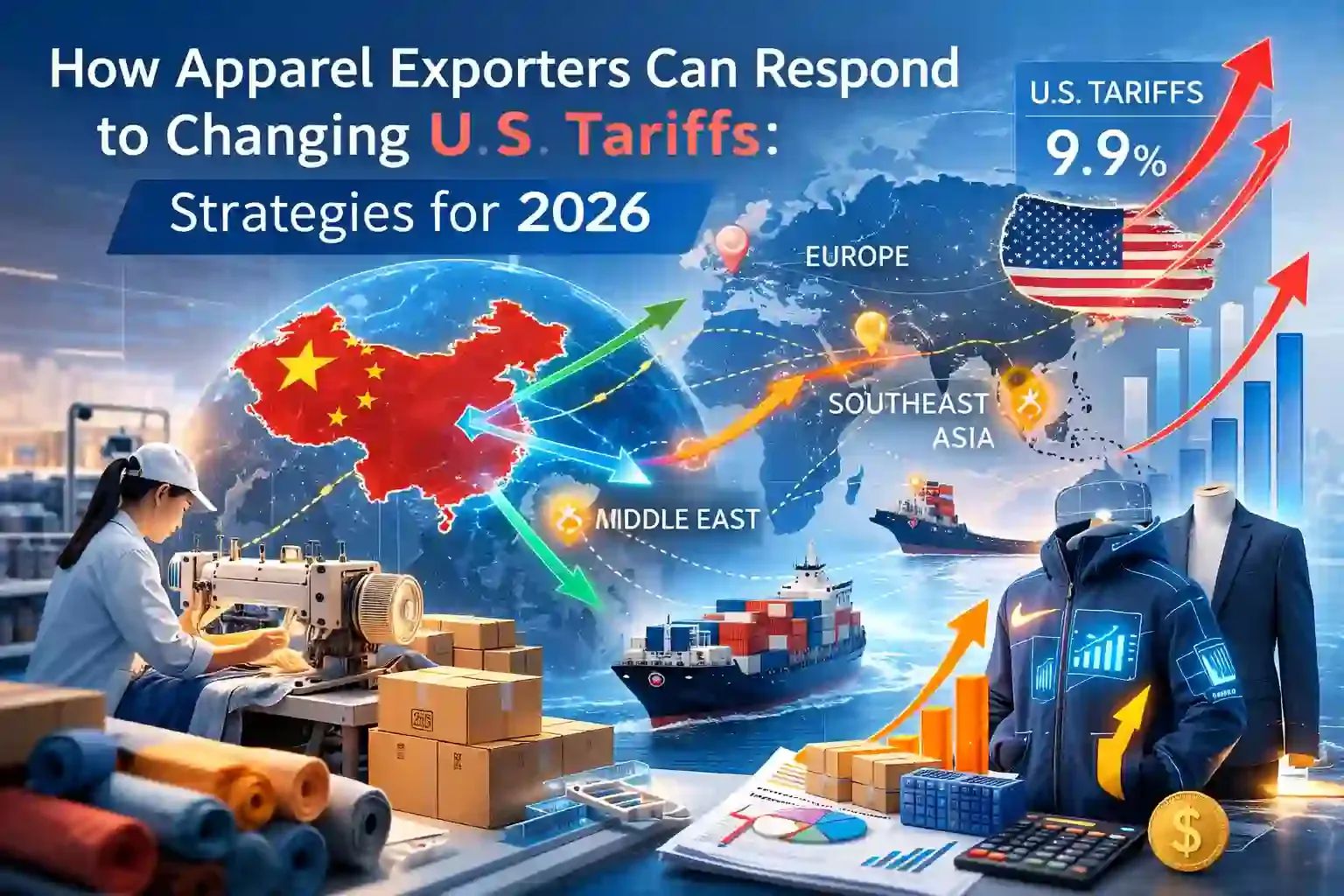
- Identify emerging markets with growing demand (Southeast Asia, Africa, Middle East).
- Build regional partnerships and distributors.
- Use market research to target products with higher margins in new regions.
Outcome: Reduced dependence on U.S. orders and smoother revenue streams despite tariffs.
3. Supply Chain Restructuring
Problem: Tariffs increase costs and disrupt sourcing.
Strategies:
- Build Overseas Production Bases – e.g., establish small factories in low-tariff regions like Vietnam or Indonesia.
- Partner with Local Manufacturers – joint ventures reduce cost exposure and maintain quality.
- Expand Cross-Border E-commerce Channels – sell directly to emerging markets, bypassing traditional import tariffs.
Outcome: Maintains market access, reduces costs, and increases supply chain resilience.
Reference: UNCTAD, Global Apparel Trade Report, 2025.
4. Risk Management Under Policy Uncertainty
Flexible Market Strategies: Avoid relying solely on one market. Diversify across: Europe, Southeast Asia, Middle East, and Africa.
Financial and Operational Risk Management:
- Adjust contract pricing structures to include tariff fluctuations.
- Increase inventory flexibility to respond to sudden policy changes.
- Develop multi-country sourcing networks to prevent disruption.
Outcome: Exporters can absorb policy shocks without disrupting production or cash flow.
5. Conclusion: Actionable Next Steps
- Monitor Tariff Policies: Subscribe to official updates from the U.S. Trade Representative and U.S. International Trade Commission.
- Diversify Markets: Identify and develop at least two alternative markets outside the U.S.
- Optimize Supply Chains: Explore partnerships or small production bases in low-tariff countries.
- Incorporate Risk Management: Update financial planning, contracts, and logistics strategy to anticipate tariff shocks.
Key Insight: While U.S. tariffs create challenges, they also encourage strategic transformation. Companies that diversify markets, restructure supply chains, and manage risks proactively will strengthen resilience and maintain competitiveness globally.
References:
- U.S. International Trade Commission (2025). U.S. Apparel Import Data.
- UNCTAD (2025). Global Apparel Trade Report.
- U.S. Trade Representative (2026). Proposed Tariff Adjustments and Trade Policy Briefing.