Sep 21, 2026Manufacturing & Quality
French Terry vs. Fleece & The GSM Guide: Sourcing the Right Hoodie Fabric
Choosing between French Terry and Fleece? Our B2B guide breaks down GSM, breathability, and costs to help you source the perfect fabric for your hoodies and joggers.
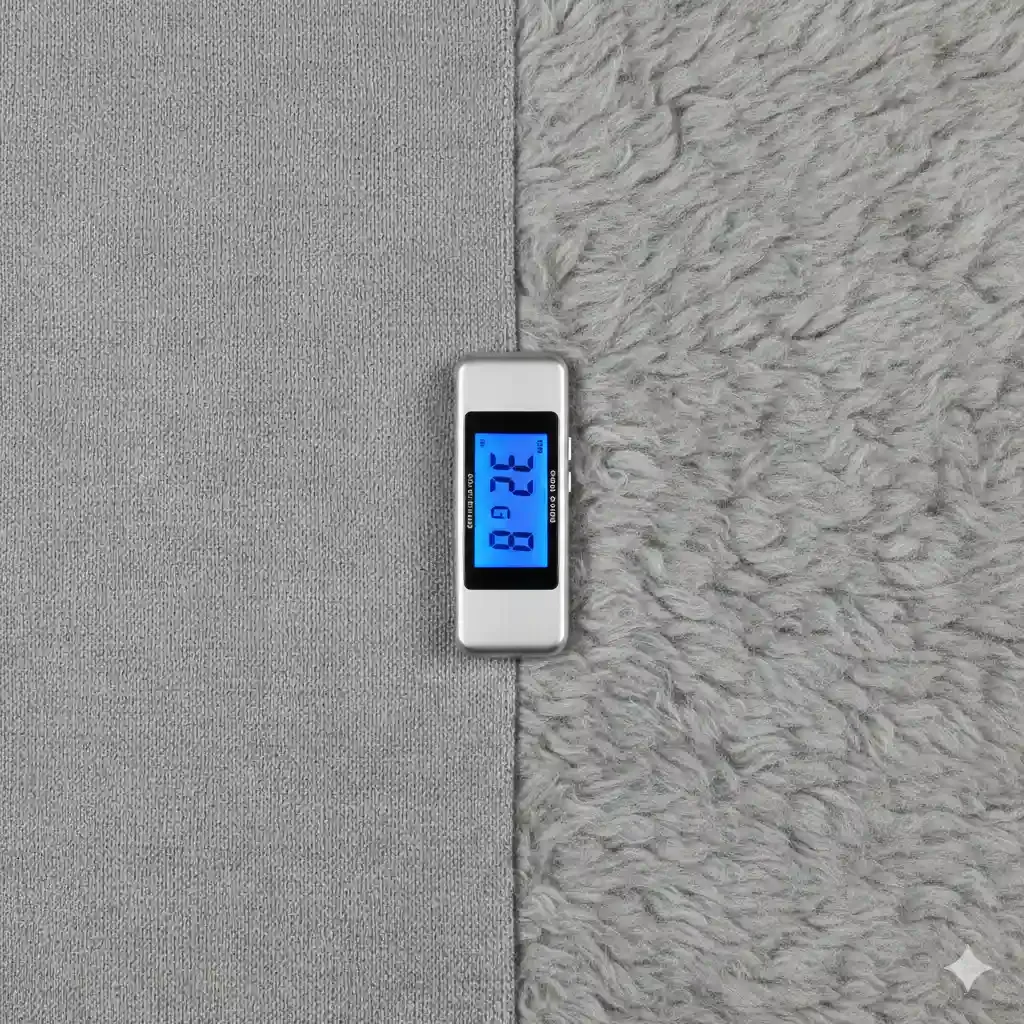
When you’re filling out a sourcing sheet or talking to a manufacturer, "I want a soft hoodie" isn't enough. In the professional knitwear world, the difference between a best-seller and a clearance-rack failure often comes down to two technical choices: Fabric Construction (French Terry vs. Fleece)and Weight (GSM).
At SML Intimate, we help brands navigate these specs every day. Let’s break down the technicalities so you can make an informed decision for your next production run.
Part 1: French Terry vs. Fleece – Which One is for You?
Both fabrics are staples in loungewear, but they serve very different purposes. The main difference lies in the back sideof the fabric.
1. French Terry (The All-Season Performer)
French Terry is characterized by its signature "loops" on the back and a smooth surface on the face.
- Breathability:High. The loops create air pockets that allow the skin to breathe.
- Hand-feel:Crisp and structured. It feels more like a "premium knit" than a "fuzzy blanket."
- Best for:Spring/Autumn collections, high-end activewear, and "streetwear" hoodies that need a sharp silhouette.
2. Fleece (The Winter Essential)
Fleece starts as French Terry, but the loops are shredded and brushed to create a fuzzy, napped surface.
- Warmth:Exceptional. The brushed fibers trap body heat, making it much warmer than French Terry.
- Hand-feel:Ultra-soft and cozy. It has that "cuddle-up" factor that consumers love for winter.
- Best for:Winter hoodies, heavy joggers, and loungewear designed for cold climates.
Quick Comparison Table for Buyers:
Feature | French Terry | Fleece |
GSM Range | 240 - 400 | 280 - 450 |
Breathability | Excellent | Moderate |
Cost | Slightly Higher (due to knitting) | Competitive |
Season | All-season / Transitional | Winter / Cold Weather |
Part 2: The Ultimate GSM Guide – Finding the "Sweet Spot"
GSM (Grams per Square Meter)is the industry standard for measuring fabric thickness. Choosing the wrong GSM can make a T-shirt look "cheap" (too low) or a summer tank top feel "suffocating" (too high).
Here is our recommended GSM breakdown for different product categories:
1. Lightweight (140 - 180 GSM)
- Products:Basic T-shirts, camisoles, and summer-weight pajamas.
- The Goal:Breathability and drape. At SML Intimate, we recommend a 160 GSM cotton-modal blend for premium sleepwear—it’s light enough to be cool but dense enough to not be see-through.
2. Mid-weight (200 - 260 GSM)
- Products:High-quality "heavy" T-shirts, lightweight sweatshirts, and rib-knit vests.
- The Goal:Durability. This weight is perfect for brands looking for that "luxury basic" feel where the garment has some substance.
3. Heavyweight (280 - 400+ GSM)
- Products:Hoodies, joggers, and structured sweatshirts.
- The Goal:Structure and warmth.320 GSM:The industry standard for a high-quality retail hoodie.400 GSM+:Used for "oversized" streetwear fits that need to hold a very specific, boxy shape.
Part 3: Business Advice – How to Choose?
When sourcing for your brand, don't just follow trends—look at your target market's climateand price point.
- If you are a premium yoga/wellness brand: Go with a 260 GSM French Terry. It’s breathable for post-workout and looks sophisticated.
- If you are a winter streetwear brand: Go with a 380 GSM Brushed Fleece. It provides the "bulk" and warmth your customers expect.
At SML Intimate, we don't just provide fabric; we provide expertise. We can customize the GSM and the finish (like a silicon wash for extra softness) to match your brand's DNA perfectly.
Ready to feel the difference?
Choosing the right fabric is easier when you can touch it.
[Contact us today to request our Fabric Swatch Book] featuring our latest French Terry, Fleece, and various GSM samples.
Buyer Checklist
Before committing a hoodie program, confirm: GSM, fabric composition, fleece or French terry construction, rib composition, shrinkage, fit, sample approval, wash test, finishing, labels, and packaging. These inputs make the sample and bulk specification concrete rather than assumed.
Which One Should You Order?
Rule of thumb from our floor: French terry for year-round activewear and milder climates; fleece for cold-weather collections and premium streetwear. We stock both in multiple GSM options — 50 pieces per style minimum on stock fabrics, around 300 if we develop the fabric for you.
Browse our hoodies, read why factories have MOQs, or request a quote with your market and season — we will recommend the right construction.