
Sep 28, 2026Case Studies
Case Study: Reverse Engineering Custom Pattern Socks for a European Brand
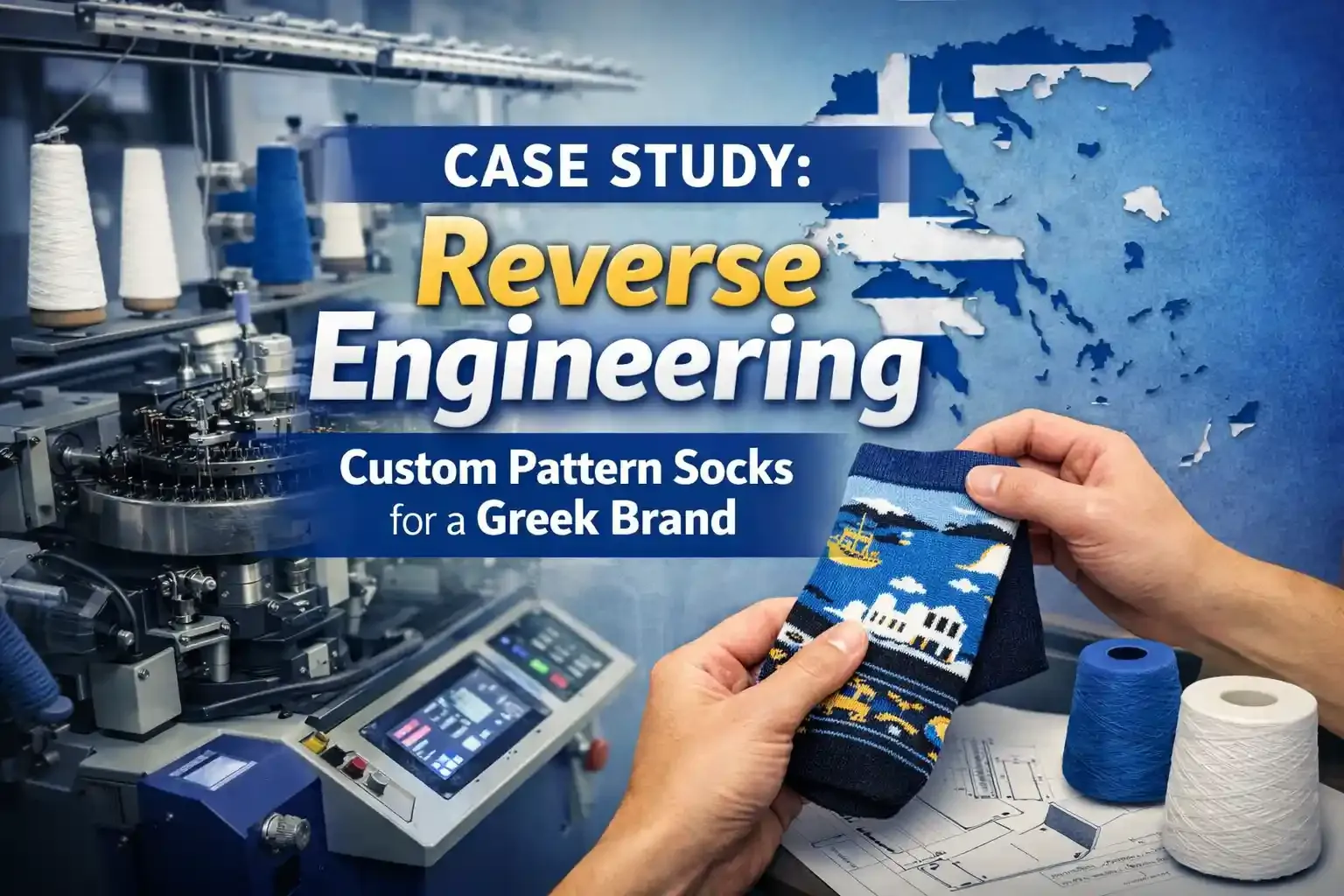
Reverse engineering custom jacquard socks for a Greek brand. From material analysis to sample approval, see how we replicated complex designs without original files.
Author & Source
Author: Connor Ma, International Trade Analyst with 10+ years of experience in knitwear and hosiery manufacturing
Reviewed by: SML Intimate Technical & Sampling Team
Published by: SML Intimate Manufacturing Insights
Background
A client from Greece approached us with a pair of custom-designed socks previously sourced through a trading intermediary rather than a direct manufacturer.
The client’s objective was clear:
- Obtain a more competitive quotation
- Establish a reliable long-term factory partnership
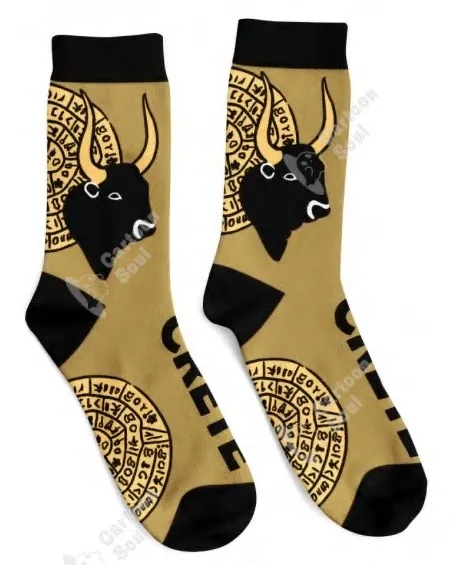
Instead of providing original design files or a tech pack, the client sent a physical sample for evaluation.
This is common in early-stage cooperation. Many startup brands prefer to protect their intellectual property while assessing whether a factory has the technical capability to analyze, replicate, and quote based solely on a finished product.
Step 1: Material Analysis & Sample Deconstruction
After receiving the sample, we first obtained client approval to carefully deconstruct the socks for technical analysis.
Socks involve multiple yarn components, each affecting performance, elasticity, and durability. Accurate identification is essential for cost estimation and product replication.
Key technical considerations:
- Covered yarn specifications (e.g., 40/75 or 70/75 spandex combinations)
- Cotton yarn count and structure
- Elasticity and recovery performance
- Fabric hand feel and durability
Without precise material breakdown, it is not possible to provide a reliable quotation or achieve consistent production quality.
Step 2: Pattern Reconstruction & Technical Redrawing
As no original artwork was provided, our technical team reverse engineered the knitted pattern.
We recreated the design digitally based on:
- Stitch structure
- Yarn density
- Pattern repeat logic
- Color segmentation
- Knitting machine limitations
Complex jacquard sock designs require both visual accuracy and technical feasibility. Certain details must be adjusted to ensure they can be accurately produced on circular knitting machines.
This step demonstrates the importance of working with a factory that has strong pattern engineering and sampling capabilities.
Step 3: Raw Material Matching & Sampling Strategy
Based on structural and elasticity testing, we developed multiple yarn combinations to match the original product’s performance.
Our internal yarn database allows flexible sampling using various specifications. However, exact color matching is not prioritized at this stage.
We clearly communicated to the client:
- Samples are used to verify structure, sizing, and performance
- Final color matching will be completed after sample approval
This approach helps avoid unnecessary revisions and keeps the sampling process efficient and focused.
Step 4: Sample Confirmation Process
Once sampling was completed:
- High-resolution photos and measurement data were shared first
- Structural and quality feedback was confirmed remotely
- Physical samples were then shipped for final approval
The client confirmed satisfaction with:
- Elasticity and fit
- Pattern clarity
- Overall finishing quality
This step-by-step validation ensures alignment before bulk production.
Final Result
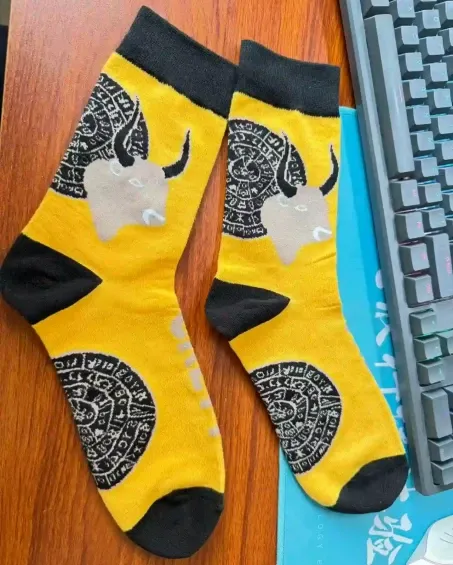
After sample approval, the client proceeded with a bulk production order.
By demonstrating our ability to:
- Accurately reverse engineer materials
- Reconstruct complex knitted patterns without original files
- Communicate clearly throughout the sampling process
- Deliver consistent product performance
we successfully converted an initial inquiry into a long-term manufacturing partnership.
Key Takeaways for Apparel Brands
- Professional sample analysis builds trust during early cooperation
- Technical capability is more critical than price alone
- Clear communication reduces sampling risks and misunderstandings
- Reverse engineering is essential for private label and OEM production
Conclusion
This case highlights how technical expertise and transparent communication can bridge the gap between concept and production—even without original design files.
For brands seeking reliable manufacturing partners, the ability to analyze, replicate, and optimize products is a key indicator of long-term success.
Get a Quote
Looking for a manufacturer who can replicate and improve your existing designs?
Contact us today to work with an experienced custom sock manufacturer for sampling and bulk production.
References
- Textile Exchange. Preferred Fiber & Materials Market Report 2025
- McKinsey & Company. The State of Fashion 2025
- SML Intimate Internal Sampling & Development Data, 2025
- World Bank. Global Apparel Manufacturing Insights 2025
Related Socks Products
Have a Similar Project?
Send us reference photos or the original sample — we analyze the material, structure and pattern, confirm what is reproducible, and quote within 24 hours. Sampling is US$200 for cut & sew styles and is refunded when you place the formal order.
Start yours on the contact page, and ask for itemized sample costs, lead times and payment terms before your first PO.