Sep 28, 2026Manufacturing & Quality
400gsm Hoodie Manufacturing Process Explained
Explore the full 400gsm hoodie manufacturing process, from fabric development and pattern grading to sewing structure and quality control standards.

Introduction
400gsm hoodies are considered premium within the knitwear category. Compared to standard 280–320gsm fleece garments, 400gsm hoodies require more advanced fabric control and structured construction.
This article explains the step-by-step manufacturing process behind premium heavyweight hoodies.
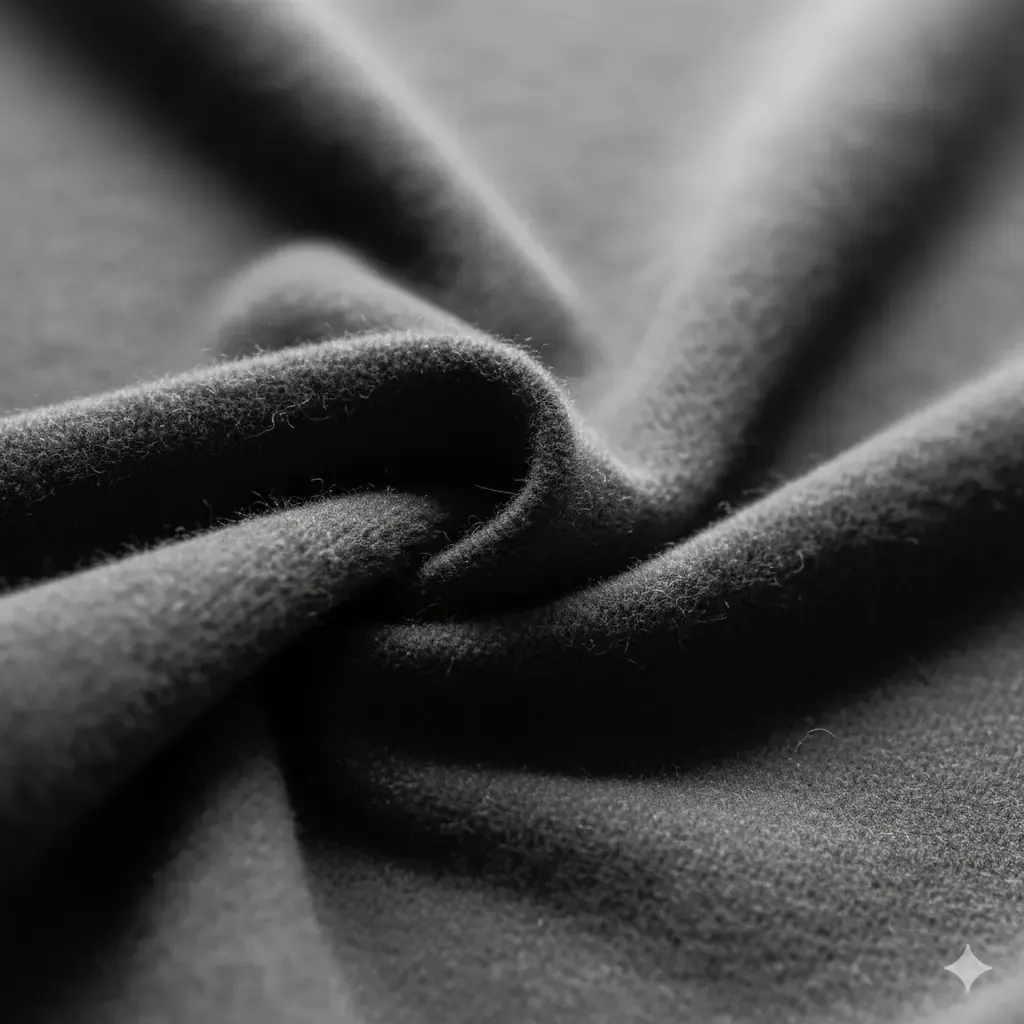
1. Fabric Development
A 400gsm hoodie typically uses:
- 100% cotton fleece
- Cotton-poly fleece blend
- Brushed interior surface
Key considerations:
- Yarn count consistency
- Shrinkage rate testing
- Surface stability after washing
Heavy fleece fabrics must be tested for distortion before bulk cutting.
2. Pattern Development
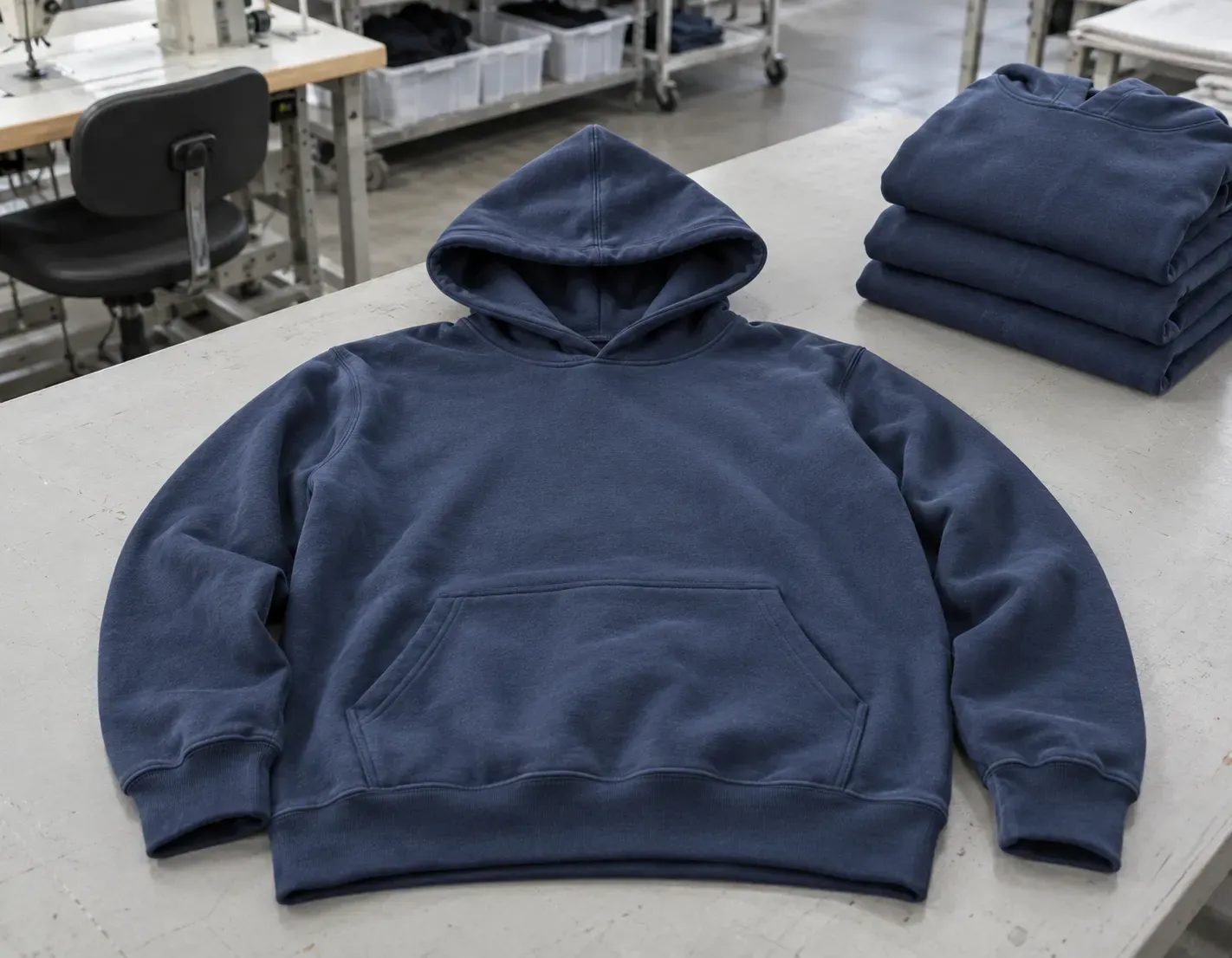
Heavyweight hoodies are often designed with:
- Drop shoulder construction
- Wider body width
- Reinforced hood panels
Because of fabric weight, grading must account for:
- Drape reduction
- Armhole mobility
- Shoulder balance
Incorrect pattern grading can cause stiffness or restricted movement.
3. Cutting & Sewing
Due to thickness:
- Industrial cutting machines must handle multi-layer density
- Seam allowances must be adjusted
- Needles must be stronger
Common reinforcements include:
- Taped neck seam
- Double-stitched rib attachment
- Metal eyelets
4. Quality Control
Inspection focuses on:
- Collar shape retention
- Sleeve alignment
- Fabric pilling
- Post-wash shrinkage rate
Brands exporting to markets such as Germany often require stricter inspection documentation.
5. Production Timeline
Typical development timeline:
- Fabric sourcing: 5–10 days
- Sampling: 7–10 days
- Bulk production: 20–30 days
Actual timing depends on order quantity and fabric availability.
Conclusion
Manufacturing a 400gsm hoodie is not simply about using thicker fabric. It requires technical adjustments across pattern making, sewing, and quality control.
Brands aiming to develop premium hoodie programs should work with factories experienced in heavyweight knitwear production to avoid structural issues during scaling.
Buyer Checklist
Before committing a hoodie program, confirm: GSM, fabric composition, fleece or French terry construction, rib composition, shrinkage, fit, sample approval, wash test, finishing, labels, and packaging. These inputs make the sample and bulk specification concrete rather than assumed.
Develop a 400gsm Hoodie With Us
400gsm heavyweight is one of our specialties — fabric development, pattern grading and reinforced stitching are all handled in-house. Because heavyweight fleece is usually developed per order, 400gsm programs start around 300 pieces per style per color, confirmed per fabric and quantity.
See our 400gsm boxy-fit hoodie for reference, read why factories have MOQs, or request a quote with your target weight and quantity.
Two customization directions dominate current heavyweight streetwear programs: minimalist branding (small chest logos or subtle embroidery rather than large prints) and optional garment dye for a vintage, washed effect. Both are confirmed during sampling, alongside the GSM and fit decisions above.
Related Products
Work with SML INTIMATE: we manufacture heavyweight hoodies for B2B brands, covering fabric development, sampling, and bulk production with in-line quality control. Request a quote and see our sampling process to get started.